

Introduction
When homeowners in Michiana receive roof replacement quotes, prices often differ by thousands of dollars. One contractor may suggest a roof overlay, while another may recommend a full tear-off. The choice matters. An overlay lowers costs at the start. A tear-off offers longer value and fewer risks over time.
This article from Relentless Roofing Co., compares both methods using facts, cost ranges, and roofing code requirements. It explains how long each option lasts, whether warranties apply, and which choice makes more sense under different conditions.
What Is a Roof Overlay and How Does It Work?
A roof overlay is the process of placing a new layer of shingles over the existing roof. Roofers do not remove the old shingles. They install the new layer directly on top.
This method saves labor and avoids disposal costs. Because of that, an overlay is faster and less expensive than a tear-off.
An overlay is possible only under certain conditions. The roof must have no more than one layer of shingles. The deck must be solid, and the shingles must lie flat. If the surface is damaged, soft, or curled, an overlay cannot be done.
What Is a Tear-Off Roof Replacement?
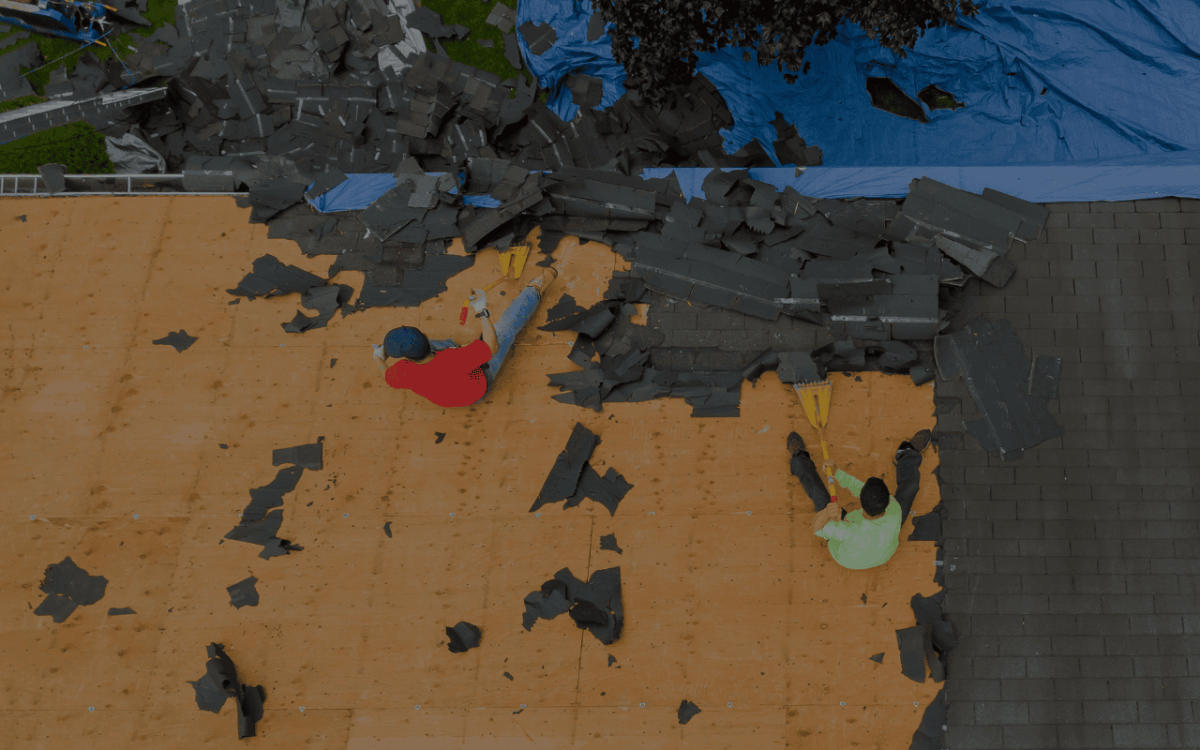
A tear-off roof replacement involves removing every layer of roofing material down to the wood deck. Contractors then install new underlayment, flashing, and shingles.
This method exposes the roof deck so any rot, mold, or leaks can be fixed. Once repaired, new shingles are nailed to a clean surface.
Tear-offs are considered a complete roof replacement because every layer is replaced. This makes them more durable and reliable.
Overlay vs Tear-Off: What’s the Key Difference?
Think of an overlay as adding a new roof on top of the old one, while a tear-off is like starting from scratch.
Overlay (Add a Layer)
An overlay means your roofer installs new shingles right over the existing roof. It’s quicker and cheaper because there’s no need to remove the old material. Many homeowners like this option if their roof has only one layer and no major damage. But overlays have limits—they add weight, can hide underlying problems, and usually don’t last as long as a brand-new roof.
Tear-Off (Start Fresh)
A tear-off means removing every shingle and exposing the decking beneath. This allows your contractor to inspect the structure, fix hidden damage, and install new shingles on a solid base. It costs more upfront, but it usually lasts longer, improves home value, and gives you peace of mind knowing the roof is built on a clean foundation.
In short, an overlay may save money now, but a tear-off often saves more in the long run. Your choice depends on budget, roof condition, and how long you plan to stay in your home.
You may also read: Are Door-to-Door Roofing Contractors Offering a Free Roof Through Insurance Legitimate or Just a Scam?
Is an Overlay Allowed by Building Codes?
Most building codes, including in Michiana, allow a roof to have no more than two layers of shingles. This means you can only do one overlay in your roof’s lifetime.
If your home already has two layers, a tear-off is the only option. Inspectors check this before approving permits, so it’s not something you can skip.
The rule exists for safety—too many layers add weight and can damage your roof structure. Keeping to two layers protects both your home and your investment.
Does an Overlay Void Roofing Warranties?
A roof overlay often limits or voids warranties. Manufacturers usually offer full coverage only if shingles are installed on a clean deck.
With overlays:
- Warranties may be downgraded or rejected.
- Coverage may not transfer to new buyers.
- Damage caused by hidden leaks may not be covered.
A tear-off replacement, on the other hand, usually qualifies for the full warranty period.
You may also read: Why Do Roofers Want to See Your Insurance Estimate?
How Long Does a Roof Overlay Last vs. Tear-Off?
A roof overlay typically lasts 10 to 16 years, while a tear-off roof replacement can last 20 to 30 years. The big difference comes down to how each roof handles heat and moisture.
With overlays, old shingles remain underneath. This traps heat and moisture, which speeds up wear and shortens the roof’s lifespan. Tear-offs avoid this problem by removing everything down to the decking and starting with a clean base.
For homeowners in Michiana, where heavy snow and ice are common, a tear-off is often the better choice. The longer lifespan and stronger protection help prevent leaks, sagging, and costly repairs down the road.
In short:
- Overlay = cheaper now, shorter life.
- Tear-Off = higher cost upfront, but double the lifespan and better protection.
Pros and Cons of Choosing a Roof Overlay
A roof overlay can be an affordable way to give your home a fresh look, but it comes with trade-offs homeowners should understand before deciding. It’s quicker and cheaper than a tear-off, yet it may not provide the same long-term value.
Pros
- Costs 20–30% less than a tear-off replacement
- Faster installation, often finished in 1–2 days
- Less debris and cleanup compared to removing old shingles
Cons
- Shorter lifespan, usually 10–16 years
- Extra weight adds stress to the roof structure
- Hidden issues, like rotted decking, remain unfixed
- Leaks are harder to track and repair later
For homeowners planning to sell soon or looking for a budget-friendly refresh, an overlay may work. But if long-term durability and protection matter most, investing in a tear-off is often the smarter choice.
Pros and Cons of a Tear-Off Roof Replacement
A tear-off roof replacement is the most thorough way to replace a roof, offering long-lasting protection and stronger value for your home. Unlike overlays, it starts fresh by removing every old shingle and repairing any hidden damage.
Pros
- Delivers the longest roof life (20–30 years)
- Allows full inspection and repair of the decking
- Can add $10,000–$15,000 in resale value
- Qualifies for a full manufacturer’s warranty
Cons
- Higher upfront cost compared to overlays
- Takes 3–5 days on average to complete
- Produces more waste that needs disposal
For homeowners planning to stay in their house long-term, especially in Michiana’s tough winters, a tear-off is often the smarter financial choice. It provides better durability, stronger resale value, and peace of mind knowing your roof is built on a solid foundation.
How Many Layers of Shingles Can a Roof Have?
Most homes are allowed to have no more than two layers of shingles. If your roof already has two layers, the old shingles must be removed before a new roof can be installed.
This rule is in place for safety. Each layer adds weight, and too much weight can strain the structure, cause sagging, and raise the risk of leaks. It also makes it harder to spot and repair hidden damage.
In areas like Michiana, roofing contractors inspect the number of layers before starting work to ensure your home meets building codes and stays structurally sound.
For homeowners, this means an overlay is only possible once—after that, a full tear-off is the only option.
What Is the Cost Difference Between Overlay and Tear-Off in Michiana?
The cost of a new roof depends on whether you choose an overlay or a tear-off. Overlays are more affordable upfront, while tear-offs cost more but provide greater long-term value.
In Michiana, average costs are:
- Overlay: $250–$350 per square (100 sq. ft.)
- Tear-Off: $300–$450 per square
For a 2,000 sq. ft. home, that equals:
- Overlay: about $7,000–$9,500
- Tear-Off: about $9,500–$13,500
Additional expenses may include permits ($150–$400), dumpster rentals ($200–$600), and repairs to the decking if damage is found during installation.
While overlays save money at the start, tear-offs often pay off in the long run by lasting longer and adding resale value to your home. For many homeowners, the higher upfront cost is worth the stronger protection and better return on investment.
You may also read: What Does a 25‑Square Roof Replacement Cost in Michiana?
How to Decide Between a Roof Overlay and a Tear-Off
Choosing between a roof overlay and a full tear-off comes down to the condition of your existing shingles, your long-term plans, and the structural limits of your home. If the current roof has only one layer, lies flat, and shows no signs of rot, soft decking, or major storm damage, an overlay may be a reasonable short-term solution. It can refresh your home’s appearance, reduce upfront costs, and get the project done quickly. However, homeowners should remember that overlays do not address hidden problems. Any trapped moisture, cracked decking, or weak spots will remain sealed under the new shingles, which often leads to earlier failures.
A tear-off becomes the better choice when you want maximum lifespan, full protection, and confidence that the entire roofing system is built on a solid, inspected base. Removing every old layer allows your roofer to repair issues before they grow into leaks, sagging, or larger structural concerns. For homeowners staying long-term—or those living in regions like Michiana with heavy snow and ice—a tear-off generally delivers stronger value. While the upfront cost is higher, the extended lifespan, improved ventilation, and eligibility for full manufacturer warranties make it the more dependable investment in most cases.
You may also read: Are Brava® Synthetic Shakes Worth It? Comparing Synthetic, Cedar and Asphalt Roofs
FAQs About Roof Overlay vs Tear-Off
1. Is an overlay worth it for sellers?
Yes, if the existing roof is in good shape, a roof overlay may be a cost-effective way to refresh with new shingles before listing. It’s a short-term solution but can be a good pro when selling.
2. How much value does a new roof add in Michiana?
A full tear-off roof replacement with quality roofing material often adds $10,000–$15,000 in resale value. Buyers prefer the longer life and fewer risks compared to roof overlays.
3. Can you put a metal roof over shingles?
Yes, a new roof can sometimes be installed over existing shingles, but only if the roofing contractor confirms the deck and existing roofing material are solid and codes allow it. For more information, please read: Can you install a metal roof over shingles?
4. How many times can you overlay a roof?
Only once. Building codes limit you to two layers of shingles total. If a layer of roof already exists over the old roof, the next project must be a tear-off.
5. What problems can overlays cause?
The pros and cons matter. An overlay roof may trap moisture between the layers, shorten lifespan, and put extra weight on the structure. That’s why many choose installing a new roof with a full tear-off instead of another overlay.