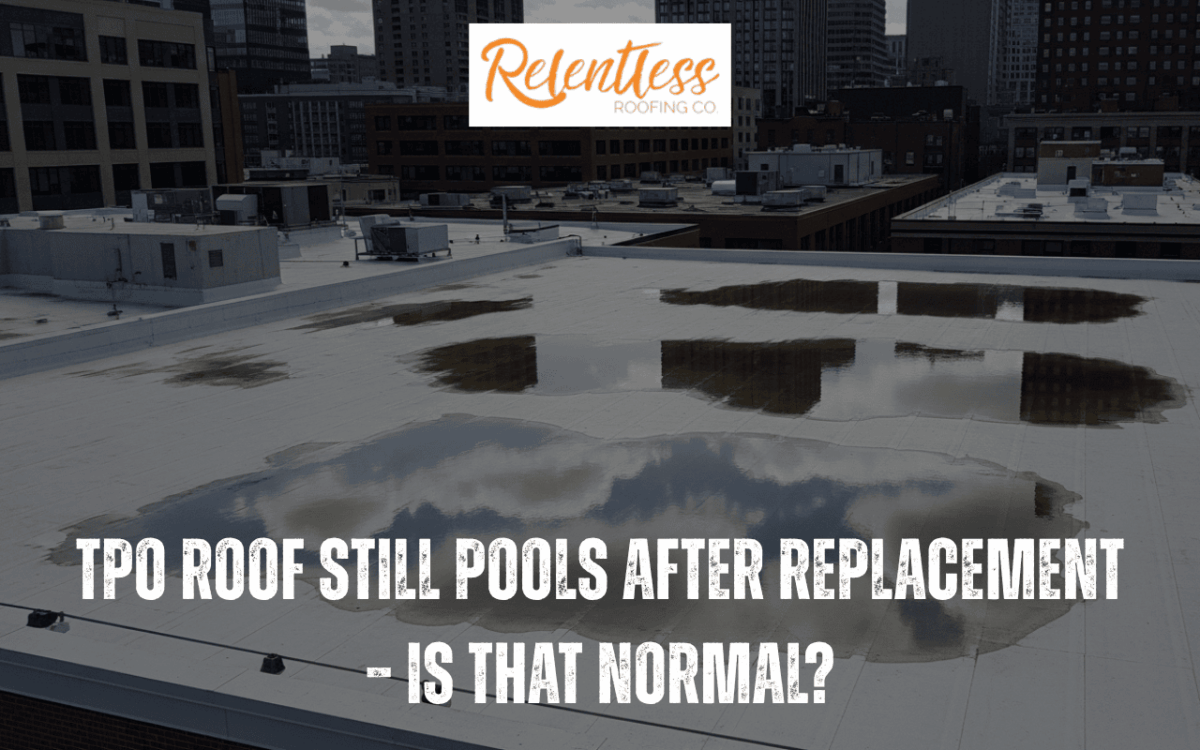
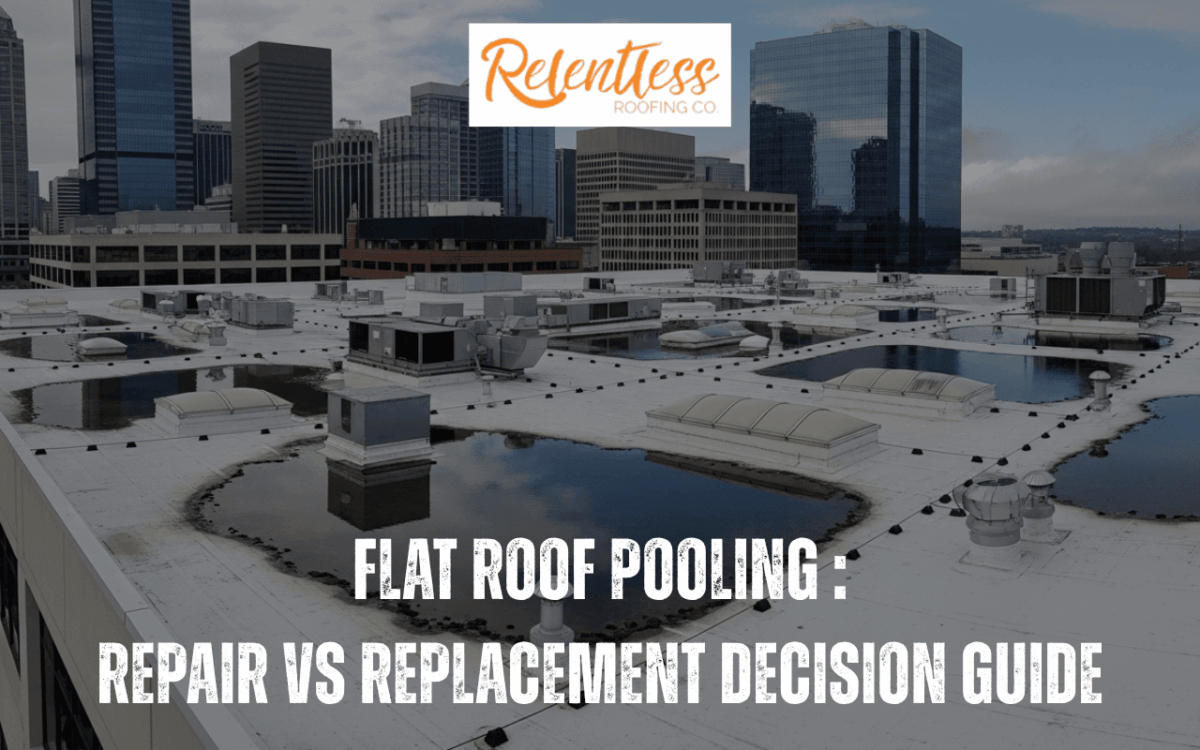
Flat roofs bring modern style and efficient use of space, but they also come with challenges. One of the biggest is flat roof pooling, where water collects on the surface after rain. Over time, this can lead to leaks, damaged membranes, and expensive repairs. Property owners often face the tough decision: should you reslope your flat roof to fix pooling, or invest in a full new roof system like SBS or TPO?
This guide by Relentless Roofing Co. compares flat roof repair vs replacement, explains costs, and shows you how to make the right choice for long-term performance.
Why Flat Roofs Are Important for Property Owners
A flat roof does more than cover your building—it protects the structure, insulation, and interior from damage. The condition of your roof affects property value, safety, and even energy bills. A well-maintained roof helps lower heating and cooling costs, prevents leaks, and keeps your building secure.
Flat roofs are popular for commercial and residential buildings because they provide extra space for HVAC units, solar panels, or rooftop gardens. But without proper slope and drainage, they are at risk of flat roof pooling, where water collects after rain. Over time, this standing water can damage roofing membranes, cause leaks, and shorten the roof’s lifespan.
Regular inspections and timely repairs keep a flat roof strong, reduce long-term costs, and protect your property for years to come.
What Causes Ponding Water on Flat Roofs?
Ponding water on flat roofs happens when water fails to drain within 24–48 hours after rainfall. Common causes include:
- Poor design or construction – a roof built without enough slope (minimum ¼ inch per foot) traps water.
- Clogged drains or gutters – debris blocks water flow, leaving puddles behind.
- Aging materials – as membranes shrink or blister, they create dips where water collects.
- Structural sagging – heavy loads, snow, or past leaks may weaken joists and lower sections of the roof.
Over time, ponding accelerates roof leaks, invites mold growth, and puts pressure on seams and flashings. It’s a warning sign that demands quick attention.
You may also read: How do Roof Leaks happen on Commercial Buildings?
Flat Roof Repair vs Replacement: How Do You Decide?
The choice between flat roof repair and replacement depends on:
- Age of your roof – A flat roof nearing 20 years often needs a full replacement.
- Extent of pooling – Localized dips may be fixed by resloping or patch repair, but widespread sagging calls for replacement.
- Repair history – If you’ve patched leaks multiple times, a full roof replacement may save money in the long run.
- Budget and warranty – Repairs are cheaper upfront, but replacement brings longer warranties and improved efficiency.
When deciding whether to repair or replace, consider both short-term savings and long-term peace of mind.
Resloping vs Full Replacement: Which Fixes Flat Roof Pooling Best?
If ponding water is caused by poor slope, resloping a flat roof is often the first solution. Contractors install tapered insulation or adjust the roof pitch so water drains away correctly. This improves drainage without removing the entire roofing system.
However, resloping has limits. If the roof membrane is aging or the roof deck has structural problems, resloping alone will not fix the issue. In these cases, a full roof replacement is the only reliable option to restore long-term performance.
How Do Costs Compare for Resloping vs New Roof?
- Resloping costs: usually $3,000–$7,000, depending on roof size and materials.
- Full replacement costs: typically $10,000–$20,000+, especially for large commercial flat roofs.
While resloping is more affordable upfront, it offers limited protection. A new roof costs more but provides decades of durability and peace of mind.
You may also read: How much does a commercial roof cost?
TPO vs SBS Roofing Systems: Which Lasts Longer?
When it’s time for a flat roof replacement, many property owners compare TPO roofing and SBS modified bitumen roofing. Both are proven systems, but their strengths vary based on climate and performance needs.
TPO Roofing (Thermoplastic Polyolefin)
TPO is lightweight and highly energy-efficient, with a reflective surface that helps reduce cooling costs in hot weather. It generally lasts 20–25 years when installed and maintained correctly. Many owners prefer TPO for its balance of affordability and energy savings.
SBS Roofing (Styrene-Butadiene-Styrene)
SBS is flexible and extremely durable, making it ideal for colder regions where roofs expand and contract through the seasons. It usually lasts 20–30 years and offers strong resistance to cracking and weather-related damage. Its layered design also adds extra strength against heavy foot traffic or rooftop equipment.

When Is Flat Roof Replacement Unavoidable?
Some warning signs mean repair is no longer enough and a flat roof replacement is the only safe choice:
- Structural sagging – visible dips or weakened joists.
- Recurring leaks – water intrusion in multiple areas.
- Membrane failure – widespread cracks, blisters, or shrinkage.
- Safety risks – mold growth, water infiltration, or roofs that fail building codes.
At this stage, repairs are only temporary. A full replacement is needed to protect the structure and prevent expensive damage.
What’s Included in Flat Roof Replacement Cost?
The cost of a flat roof replacement covers much more than just the roofing materials. A full replacement typically includes:
- Labor & tear-off – removing the old roof and handling debris disposal.
- New insulation & drainage upgrades – improving energy efficiency and ensuring proper slope.
- Membrane installation – applying TPO, SBS, or other flat roofing systems.
- Flashing, vents, and sealants – protecting roof edges and penetrations against leaks.
- Permits & warranties – ensuring code compliance and long-term coverage.
Knowing exactly what’s included in the replacement cost helps you plan your budget and avoid unexpected expenses during the project.
How Much Do Flat Roof Repairs Usually Cost?
For property owners not yet ready for a full replacement, flat roof repairs can be a cost-effective way to extend the life of your roof. Common repair options include:
- Patching small leaks – usually $400–$1,200, depending on the size of the damaged area.
- Roof coatings – applying elastomeric or liquid coatings to add protection, typically $2,000–$5,000.
- Emergency flat roof repair – urgent leak fixes may cost more due to labor rates and timing.
These repair methods can buy extra years of service and prevent immediate damage. However, they won’t fully restore an aging roof, so replacement will eventually be necessary for long-term protection.
How Often Should You Schedule a Roof Inspection and Flat Roof Maintenance?
Regular flat roof inspections are the best way to avoid costly repairs and extend your roof’s lifespan. At minimum, schedule a professional inspection once a year to check for leaks, pooling water, or early signs of damage.
It’s also important to inspect your roof after heavy storms. Rain and snow can worsen sagging areas, increase ponding water, and reveal hidden leaks. Keeping drains, gutters, and downspouts clear prevents blockages that often lead to roof damage.
A certified roofing contractor can spot problems that aren’t visible from the surface and suggest cost-effective solutions. With consistent inspections and basic maintenance, you protect your property, lower repair costs, and add years of service to your flat roof.
You may also read: What happens during a commercial roof inspection?
Final Flat Roof Repair and Replacement Guide for Property Owners
Key points every property owner should keep in mind about flat roof repair and replacement:
- Flat roof pooling is not just cosmetic—it usually signals drainage problems or structural issues.
- Resloping can solve minor pooling for about $3,000–$7,000, but it won’t fix an old or failing roof membrane.
- Full replacement with TPO or SBS roofing costs more ($10,000–$20,000+) but provides decades of protection.
- TPO vs SBS: TPO reduces cooling costs with its reflective surface, while SBS offers flexibility and durability in colder climates.
- Inspections and maintenance are essential to catch problems early and extend the life of your flat roof.
Taking the time to decide between flat roof repair or replacement ensures your property stays safe, energy-efficient, and valuable for the long term.
You may also read: TPO Roof Still Pools After Replacement – Is That Normal?
Conclusion
Flat roof pooling is a serious issue that should never be ignored. Whether you choose resloping or full replacement, the right decision depends on your roof’s age, overall condition, and long-term plans for the property. Taking action early not only prevents leaks and structural damage but also helps maintain energy efficiency and property value.
Key Takeaways
- Ponding water is more than surface-level—it signals drainage or structural problems that need attention.
- Resloping is a lower-cost option, but it only provides a short-term fix for pooling issues.
- Full replacement with TPO or SBS roofing costs more upfront but adds decades of reliable protection.
- Regular inspections and preventive maintenance extend the lifespan of your flat roof, reduce repair bills, and protect your investment.
FAQs
1. Can regular maintenance extend the lifespan of a flat roof?
Yes. Annual roof maintenance, drain cleaning, and timely flat roof repair can extend the life of your roof by 5–10 years. Even a minor repair or roof coating helps delay the need for a full replacement.
2. How long do SBS vs TPO flat roofs typically last?
TPO roofing material lasts 20–25 years, while SBS can last 20–30 years. Lifespan depends on the condition of your roof, the roof membrane, and upkeep of the roof system.
3. What should I do if I find ponding water on my flat roof?
Call a roofing professional to inspect clogged drains, sagging, or design flaws causing water pooling. They may suggest a repair option or a flat roof replacement if the damaged roof is beyond repair.
4. Is resloping always cheaper than replacing your flat roof?
Yes, resloping usually costs $3,000–$7,000 and works as a short-term repair option. But if your roof is nearing its lifespan, replacement may be better since a new roof lasts decades.
5. How often should a flat roof be inspected for leaks?
At least once a year and after storms to catch roof leaks early. Regular checks help decide whether to repair or replace, and ensure your roof remains in safe condition.