Introduction
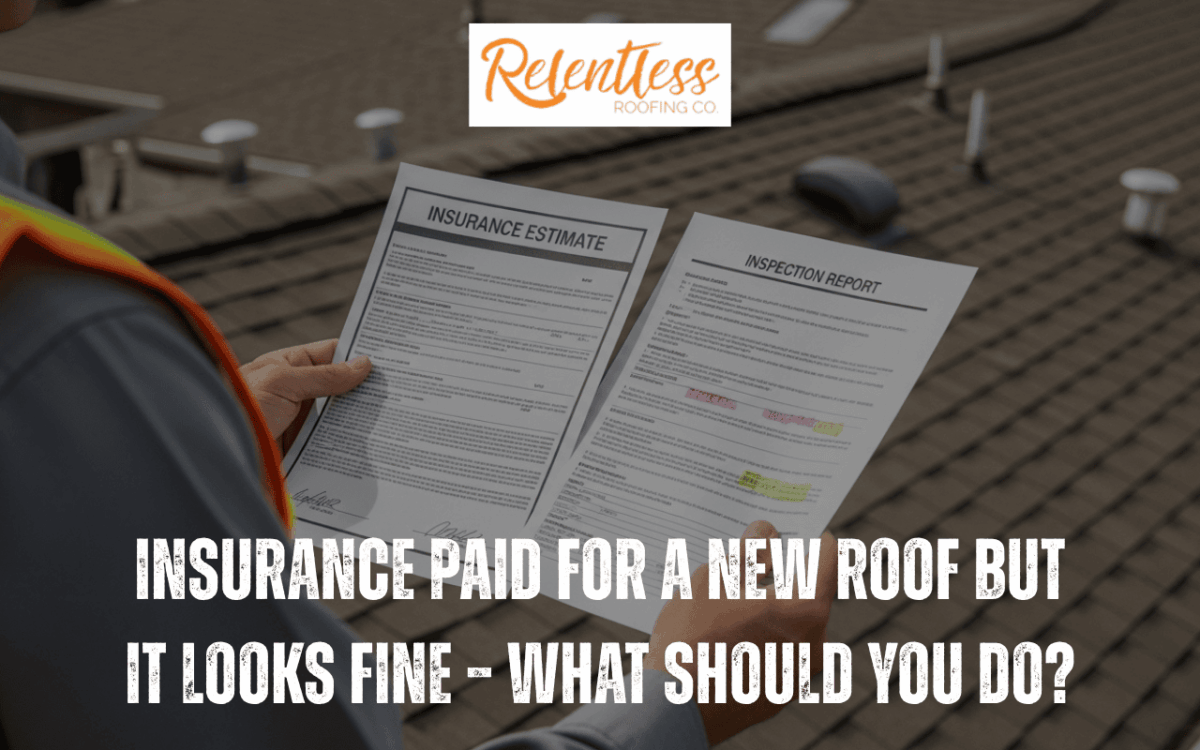
Sometimes a storm or hail event leads to an insurance payout for a new roof, even if your roof still looks fine. After the adjuster’s inspection, your insurance company may issue a check, leaving you unsure whether to move forward with a full replacement or handle minor repairs instead. Many homeowners run into this exact situation, and the choice you make can affect future coverage, premiums, and your ability to file another claim. This guide from Relentless Roofing Co. breaks down what your insurance payout really means, why a roof can look fine yet still qualify for replacement, and how to handle the claim responsibly.
Key Takeaway
If you accept an insurance claim check but don’t complete the repairs or roof replacement, you risk losing the depreciation payout, facing policy cancellation, or being accused of misusing insurance funds. Always talk with a trusted roofer or roofing contractor before deciding. The safest option is to follow insurer policy rules, complete the required repairs, and keep full documentation for your records.
Why Roof Replacement vs. Repair Creates Confusion
Homeowners often wonder why an insurance company would approve a full roof replacement when only a few shingles look damaged. The reason is that storm or hail damage can weaken roofing systems in ways that are not visible from the ground. Granule loss, compromised underlayment, and hidden leaks may appear years later.
Insurance companies sometimes choose full replacement instead of roof repair because it prevents larger claims in the future. For the homeowner, this creates confusion—do you trust your roofer’s opinion, or follow the insurance adjuster’s scope?
How Do RCV and ACV Payouts Work?
Understanding payout terms is critical.
- Actual Cash Value (ACV): This is the roof’s value at the time of the claim, factoring in depreciation. If your roof costs $15,000 new but is halfway through its lifespan, the insurance company might issue an $8,000 ACV check.
- Replacement Cost Value (RCV): This is the full cost to replace your roof today. With RCV coverage, you’ll first get the ACV check. Once the roof is replaced and documented, you’ll get a second check covering the rest.
If you skip replacement and keep only the ACV check, you’ll lose the depreciation payout and may have to pay out-of-pocket later.
You may also read: The Ultimate Guide to Filing a Roofing Insurance Claim
What Happens If You Keep the ACV Check and Don’t Replace?
Cashing an ACV insurance claim check without replacing the roof may seem tempting, but it comes with risks. With an RCV policy, the insurance company holds back depreciation until the work is done, so you lose that second payout if repairs aren’t completed.
Future claims can also be reduced. If another storm causes roof damage, your insurer may deduct the earlier payment from the new settlement, leaving you with less money and higher out-of-pocket costs.
Unrepaired damage often worsens over time. A few missing shingles or small leaks today can lead to major problems tomorrow. If the roof eventually fails, the full cost to replace your roof could fall on you without insurance support.
Could Your Policy Be Cancelled or Premiums Raised?
Yes. If your insurance company learns that you cashed a settlement check without repairing or replacing the roof, they may view it as a violation of insurer policy rules. Outcomes include:
- Policy cancellation: Especially if the roof is older and damage was never addressed.
- Non-renewal at renewal time: Insurers may decline to cover homes with unaddressed damage.
- Higher premiums: Some companies raise rates if they suspect neglected roof damage insurance issues.
Maintaining compliance ensures your homeowners insurance remains valid.
Ethical Considerations Every Homeowner Should Weigh
Taking the money without fixing the roof might feel tempting, but it carries ethical concerns.
- Insurance fraud risk: Filing a claim for roof damage caused by storms and not completing the repairs could be seen as misuse.
- Community cost: Insurance works by pooling risk. Misusing payouts can raise rates for other homeowners.
- Resale issues: If you sell the home without disclosing unaddressed roof damage, you could face legal trouble.
The responsible path is to use insurance funds for repairs or roof replacement, as intended.
You may also read: Should You File a Wind or Hail Claim on a 20‑Year‑Old Roof?
How to Handle the Insurance Claim Check Responsibly
Here’s a practical checklist to follow:
- Inspect your roof: Ask a professional roofing company for a second opinion.
- Document condition: Take detailed photos of the roof, including any missing shingles or hail marks.
- Communicate with your adjuster: Ask questions about coverage and next steps.
- Review your insurance policy: Confirm whether it’s ACV or RCV.
- Decide on roof repair vs replacement: Use both roofer and adjuster insights.
- Keep receipts: Submit invoices to the insurance company for approval to release depreciation funds.
Following this process protects your coverage and ensures you stay compliant.
When a Roof Replacement Makes Sense Despite Looking Fine
Sometimes a roof looks perfectly fine but is structurally compromised. Examples include:
- Hail damage payout scenarios: Small dents in vents or flashing that suggest hidden shingle damage.
- Storm damage: Wind lifting shingles, breaking seals, or loosening nails.
- Signs of wear and tear: Aged roofs may meet the threshold for full roof replacement even if no leaks are visible.
A reputable roofing contractor can uncover issues that might otherwise be missed.
You may also read: Insurance Says You Need a New Roof – Do You Really?
Conclusion
When your insurance company pays for a new roof but your roof still appears intact, don’t treat the settlement as “free money.” Misusing the insurance claim check risks losing coverage, facing higher premiums, or paying out-of-pocket later. The smartest path is to work with a qualified roofer, follow insurer policy rules, and make sure repairs or replacement are properly documented.
FAQs
1. Can you keep an insurance claim check without replacing your roof?
Yes, but you’ll lose depreciation funds, risk policy cancellation, and may face reduced coverage in the future.
2. Could your homeowners insurance be cancelled if you don’t replace?
Yes. Insurers may cancel or refuse to renew if required repairs are not made.
3. How do insurance adjusters decide if repairs are enough?
Adjusters look for roof damage like missing shingles, hail marks, and water intrusion. They compare findings with your policy terms.
4. What’s the difference between ACV and RCV in roof payouts?
ACV pays the roof’s value at the time of the claim (minus depreciation). RCV covers full replacement but releases depreciation only after the work is completed.
5. How can a homeowner avoid problems with a roof insurance claim?
Work with a reputable roofing contractor, keep detailed documentation, and follow your insurance process step by step.