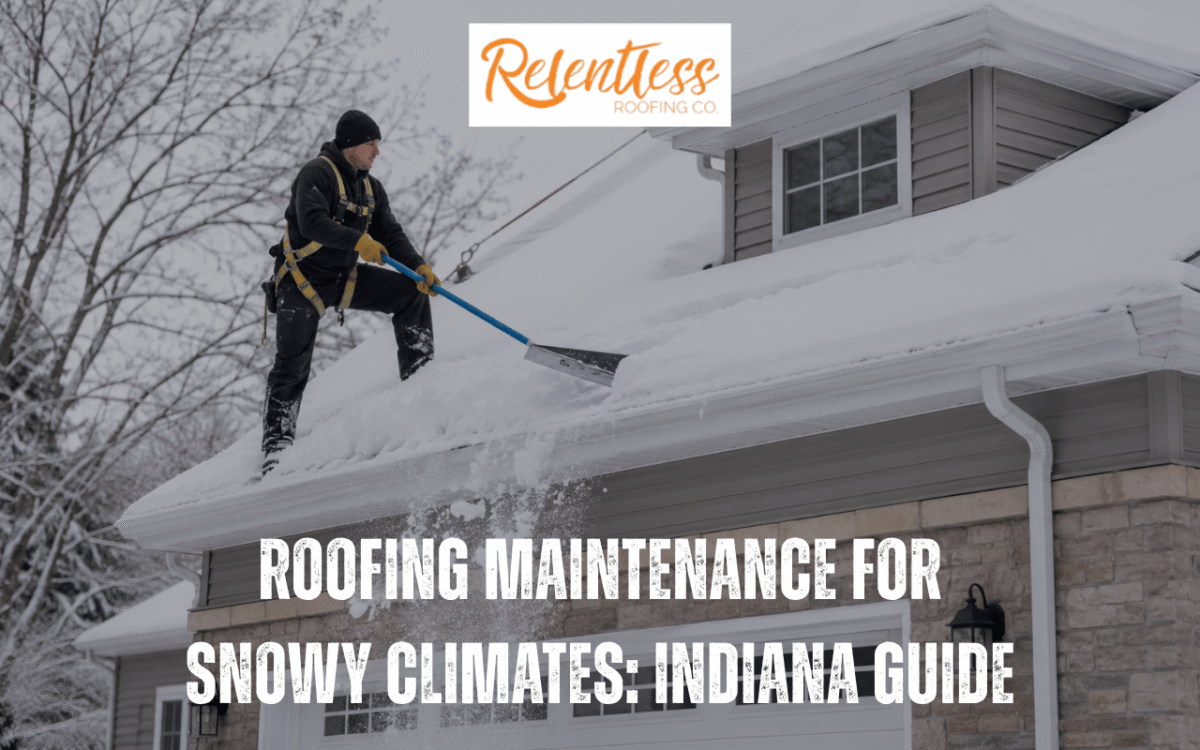
Roofing maintenance in snowy climates means preparing your roof for snow load, ice dams, freeze-thaw damage, and winter leaks before problems start. Indiana homeowners need a plan that covers fall checks, winter warning signs, attic heat loss, and spring inspections. The best results come from treating the roof, attic, gutters, and drainage as one system.
Introduction
Snowy weather puts pressure on a roof in ways mild climates do not. Snow adds weight. Melting snow can run down the roof, then freeze again at the roof edge. Water can back up under shingles and cause leaks inside the home.
Many homeowners focus only on the roof surface. That misses the real cause of many winter problems. Warm air escaping into the attic, poor insulation, blocked gutters, and weak flashing often start the chain reaction.
This guide explains how Indiana homeowners can protect a roof through winter. You will learn what to inspect before snow starts, what to watch during storms, and when to call a roofing contractor.
Key Takeaway
- Snowy climates can damage roofs through weight, ice, and repeated freezing.
- Ice dam problems often begin with attic heat loss, not just outdoor snow.
- Fall is the best time for roof maintenance and small repairs.
- Winter monitoring helps catch leaks before damage spreads.
- Safe snow removal lowers risk but does not fix root causes.
- Insulation, ventilation, and drainage often matter as much as shingles.
- Older Indiana roofs should be inspected before each winter season.
Why Roofing Maintenance in Snowy Climates Matters More Than Most Homeowners Think
Roofing maintenance snowy climates matters because winter damage often builds slowly, then appears all at once. A small flashing gap in October may become a ceiling stain in January. A clogged gutter in fall may become an ice dam after the first thaw.
Indiana winters often bring changing temperatures. Snow melts during warmer hours, then refreezes at night. This freeze-thaw cycle expands small cracks and pushes water into weak spots. That is why cold climate roof care needs more than a basic spring check.
A roof also works with the attic below it. If heat loss warms the roof deck, snow melts unevenly. Water runs to colder eaves and freezes there. Many homeowners blame snow, but the real issue is often the house losing heat upward. Roofs fail as systems, not as single parts.
The 5 Biggest Winter Roof Problems in Indiana Homes (And What Causes Them)
Winter roof problems usually come from moisture, excess weight, or trapped heat. Knowing what causes the issue helps you choose the right fix instead of wasting time on the wrong repair.
Ice Dam Roof Damage
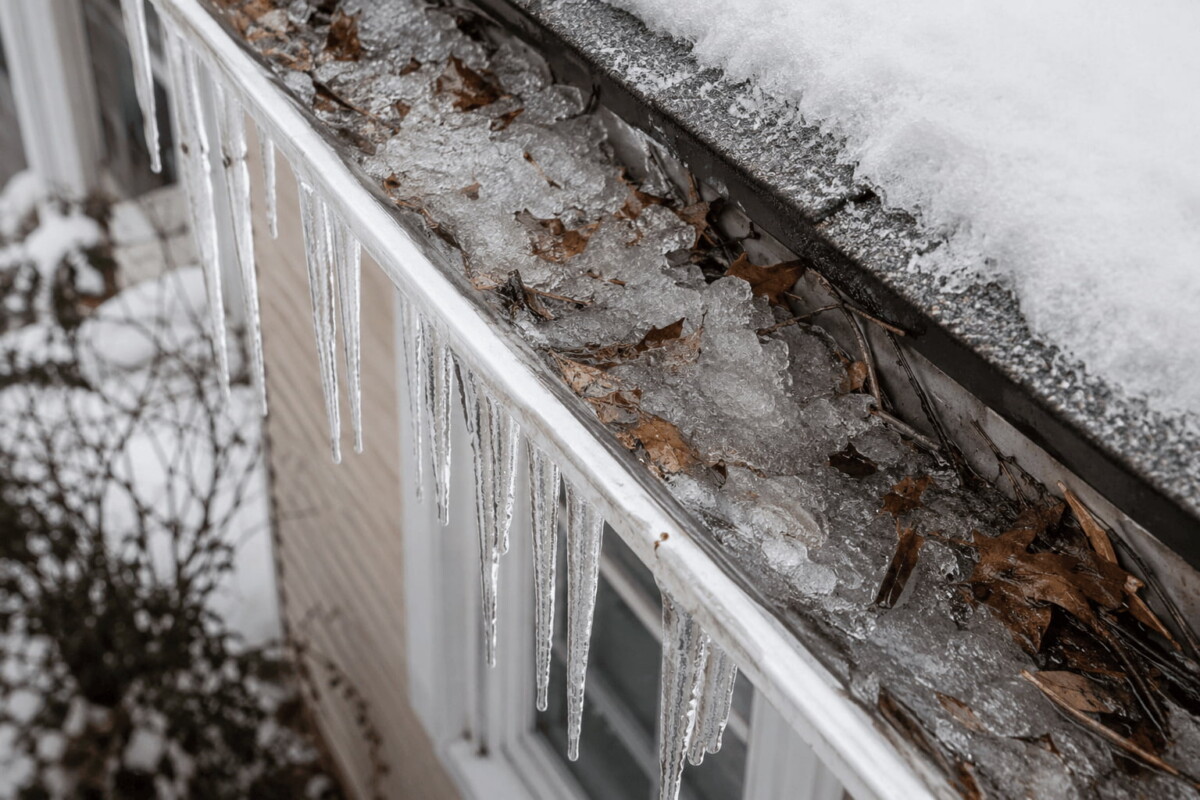
Ice dam roof damage starts when snow melts higher on the roof, then refreezes near the colder roof edge. This creates a barrier that traps water behind it. That backed-up water can slip under shingles and lead to winter leaks inside the home.
Snow Load Stress
Heavy snow loads can place serious pressure on a roof, especially on older homes or roofs with existing weak spots. Repeated storms can add more weight before the last snow fully melts, increasing strain on the roof structure.
Freeze-Thaw Cracks
Water can enter tiny gaps around shingles, flashing, or roof seals. When temperatures drop, that water freezes and expands. As this cycle repeats, small openings can grow into larger damage areas.
Attic Condensation
Warm indoor air can rise into a cold attic and turn into moisture. This often wets insulation, wood framing, and roof decking. If ignored, it may lead to mould, wood damage, or reduced insulation performance.
Gutter Backups
Blocked gutters trap melting snow water instead of draining it away. Overflow can spill onto fascia boards, siding, and roof edges. In freezing weather, that trapped water may also turn to ice.
When several of these signs appear together, the roof often has a larger system problem linked to drainage, insulation, ventilation, or heat loss.
How Ice Dams Form and the Best Ways to Prevent Costly Roof Damage
An ice dam is a ridge of ice that forms near the roof edge and blocks melting water from draining. It is one of the most common winter leak causes in snowy climates.
- Warm air rises into the attic.
- The roof deck warms in upper areas.
- Snow melts and water runs downward.
- The colder roof edge causes refreeze.
- Ice grows and traps new meltwater.
Prevention works best in this order:
- Seal attic air leaks around lights, hatches, and penetrations.
- Improve attic insulation levels.
- Keep soffit vents and ridge vents open.
- Clean gutters before winter.
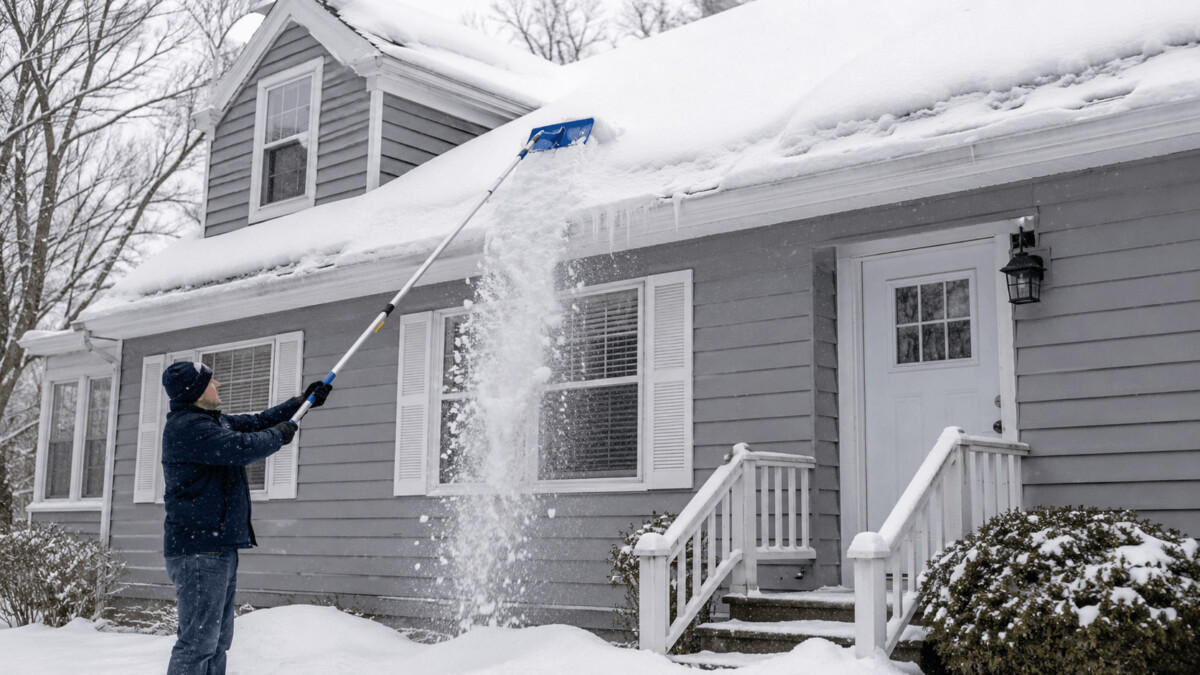
- Use a roof rake after heavy snowfall near edges.
Removing ice alone may help for the moment, but repeated ice dams usually mean heat loss or poor ventilation still exists.
What to Inspect Before Indiana’s First Freeze Arrives Each Year
The best time for roof maintenance is before freezing weather begins. Repairs are easier, safer, and often cheaper in fall.
Use this checklist:
- Look for missing or cracked shingle sections.
- Check flashing around chimneys, vents, and skylights.
- Clear leaves from gutters and downspouts.
- Trim branches hanging over the roof.
- Inspect attic insulation for wet or thin spots.
- Check for daylight entering through attic gaps.
- Look for stains on ceilings or upper walls.
- Confirm bathroom fans vent outside, not into attic space.
Indiana homeowners should aim to finish these checks before regular snowfall starts. Waiting until December can leave little time for repairs.
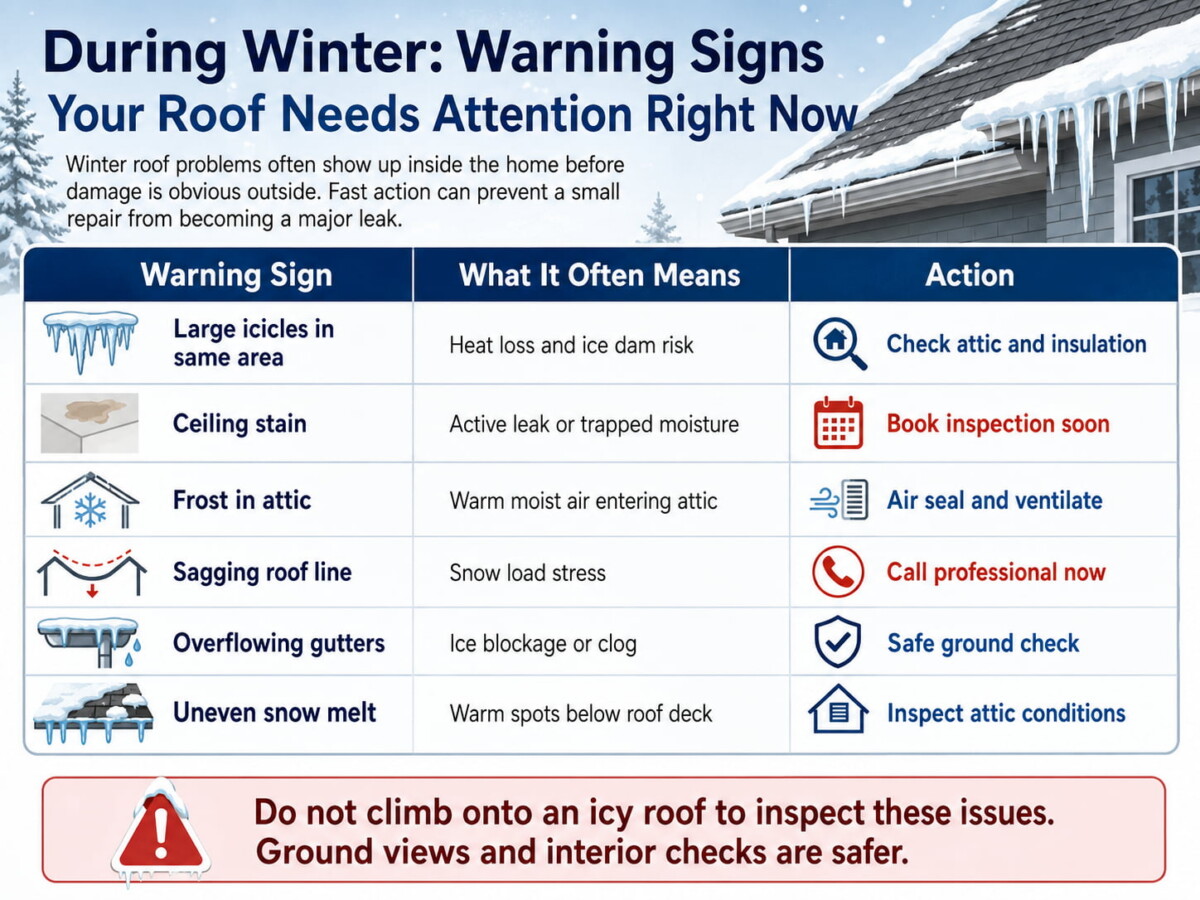
During Winter: Warning Signs Your Roof Needs Attention Right Now
Winter warning signs often appear inside the home before the roof damage is visible outside. Fast action can prevent a small repair from becoming a major leak.
| Warning Sign | What It Often Means | Action |
| Large icicles in same area | Heat loss and ice dam risk | Check attic and insulation |
| Ceiling stain | Active leak or trapped moisture | Book inspection soon |
| Frost in attic | Warm moist air entering attic | Air seal and ventilate |
| Sagging roof line | Snow load stress | Call professional now |
| Overflowing gutters | Ice blockage or clog | Safe ground check |
| Uneven snow melt | Warm spots below roof deck | Inspect attic conditions |
Do not climb onto an icy roof to inspect these issues. Ground views and interior checks are safer.
Why Attic Insulation, Air Sealing, and Ventilation Protect Your Roof All Winter
Many winter roof issues begin in the attic. When warm indoor air escapes upward, it changes roof temperature and increases moisture. That can shorten winter durability and raise heating costs.
Insulation slows heat movement. A higher R-value means better resistance to heat loss. In cold climates, proper attic insulation helps keep the roof surface colder and more even, which reduces snow melts and refreezes.
Air sealing matters just as much. Gaps around attic hatches, lights, pipes, and wiring let warm air leak upward. Ventilation then helps remove trapped moisture and stale air. Soffit vents bring fresh air in. Ridge vents let warm moist air out. Together, these parts act like the control center for winter roof performance.
Safe Snow Removal Tips That Help Prevent Roof Damage and Winter Leaks
Snow removal can lower risk after heavy snowfall, but it must be done safely. Bad technique can damage shingles, gutters, or cause injury.
- Use a roof rake from the ground.
- Remove snow from the lower 3 to 6 feet near eaves first.
- Work in small sections.
- Leave a thin layer instead of scraping to the roof deck.
- Keep clear of power lines.
- Watch where falling snow lands.
Avoid these mistakes:
- Climbing onto a snowy roof
- Using sharp metal tools
- Pulling down huge snow piles at once
- Breaking ice with force
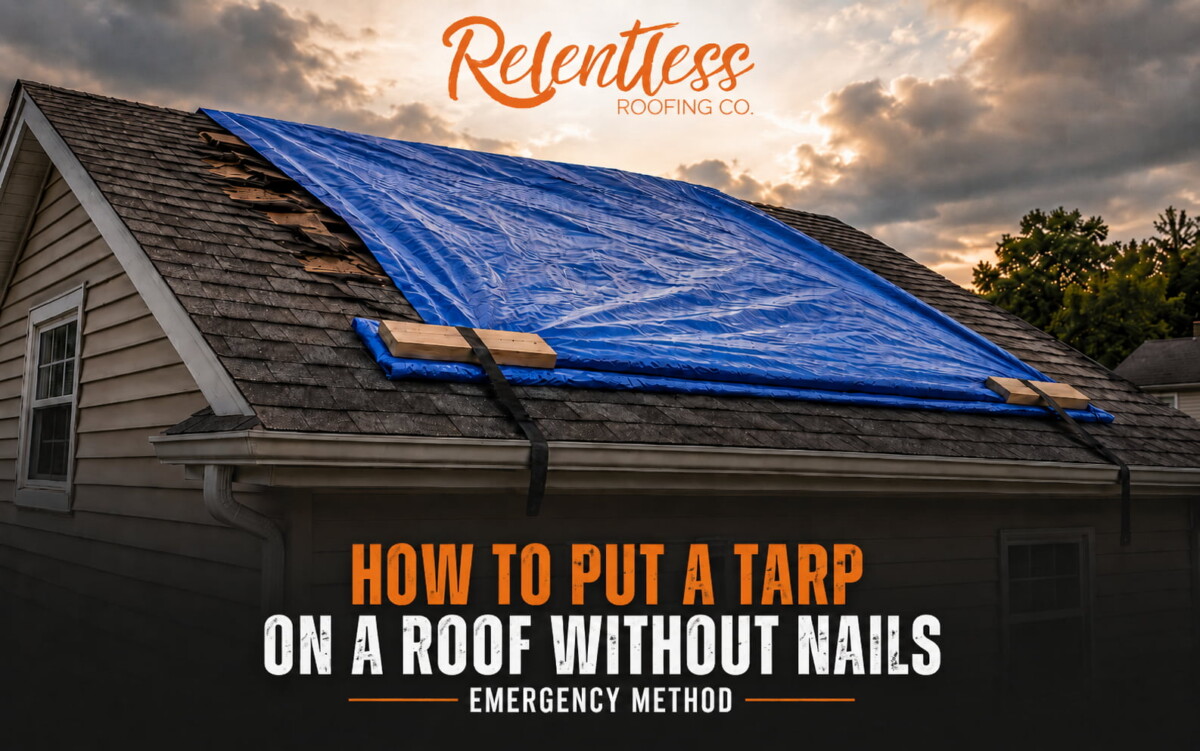
If heavy snow buildup is deep, wet, or causing sagging, call a professional roof team, and knowing how much it costs to tarp a roof in advance can help if temporary protection is needed before permanent repairs happen. Snow removal is load control, not a repair solution.
Best Roofing Materials for Snowy Climates: What Performs Best in Indiana?
The best roofing materials for snowy climates depend on budget, roof design, and maintenance goals. No single material fits every home.
| Roofing Material | Winter Performance | Lifespan | Best For |
| Asphalt shingle | Good with proper install | Moderate | Most homes |
| Metal roof | Strong snow shedding | Long | Heavy snow areas |
| Slate roofing | Excellent durability | Very long | Premium homes |
| Synthetic roofing materials | Good cold-weather options | Varies | Style + lighter weight |
Metal roof systems often shed snow faster, especially standing seam metal panels. Asphalt shingle roofs remain common because cost is lower. Slate roofing is durable but heavy. Synthetic roofing can copy traditional roofing looks with less weight.
The right roofing system should also match attic performance, slope, and drainage design.
Roof Maintenance vs Roof Repairs: When Small Issues Become Expensive Problems
Roof maintenance prevents damage. Roof repairs fix damage after it happens. Smart homeowners use both, but prevention usually costs less.
| Roof Maintenance | Roof Repairs |
| Gutter cleaning | Leak repair |
| Flashing checks | Replacing damaged flashing |
| Attic review | Wet decking repair |
| Small seal fixes | Interior water damage repair |
| Snow monitoring | Structural corrections |
A loose shingle may be minor in fall. Left through winter storms, it can lead to soaked insulation and stained drywall. That is how small issues become expensive problems.
Older roofs over ten years old often need more frequent winter maintenance because seals, shingles, and fasteners age over time, and broader roof maintenance tips for harsh Indiana winters can help you build a complete seasonal care routine.
When to Call a Professional Roofer in Indiana Instead of DIY Fixes
Some roof tasks are safe for homeowners. Others carry real risk. Use DIY only for ground-level checks and light maintenance.
Call a roofing contractor if you notice:
- Active leaks inside the home
- Repeated ice dam problems
- Sagging roof areas
- Missing shingles after winter storms
- Heavy snow loads you cannot assess safely
- Flashing damage around skylights or chimneys
- Wet attic insulation or mold smells
Indiana homes with older roofs or first-time winter owners benefit from a pre-winter inspection. A pro can spot problems that are hard to see from the ground and help you avoid emergency roof repairs later.
Conclusion
Roofing maintenance snowy climates works best when you think beyond shingles. Snow and ice problems often start with heat loss, moisture, blocked drainage, or weak flashing. Fixing root causes gives better long-term results than reacting after leaks begin.
Use fall for inspections and cleanup. Use winter for monitoring and safe snow control. Use spring for damage checks after storms and thaw cycles.
If your roof is older, leaking, or showing repeated ice dam signs, schedule a professional inspection with a trusted local roofing team. Early action is often the cheapest action.
You May Also Want to Read
You may also want to read:
- What to Do When Your Roof Leaks in Rain
https://relentlessroofingco.com/what-to-do-when-roof-leaks-in-rain/ - Emergency Roof Repair — What to Do When Disaster Strikes
https://relentlessroofingco.com/emergency-roof-repair-what-to-do-when-disaster-strikes/
FAQs
Can roof repairs be done in the winter?
Yes, many roof repairs can be done in winter, but weather affects safety and materials. Emergency leak work, flashing fixes, and storm damage repairs are common. Very cold temperatures may delay some products or full replacements, so ask a roofer what is practical now versus later.
Do roofers work when it’s snowing?
Sometimes, but active snowfall, ice, or strong wind can stop work for safety reasons. Many roofers inspect, tarp, or handle urgent damage between storms. If conditions are risky, they may schedule the repair once surfaces are safer.
What temperature is too cold for roofing?
It depends on the roofing material. Asphalt shingle products can become stiff in very cold weather, while sealants may cure slowly. Many contractors use special winter methods, but extreme cold often limits ideal installation conditions.
How often should I inspect my roof during winter?
Check your roof visually after major storms, heavy snowfall, or sudden thaw periods. Do interior checks for stains or attic moisture monthly during winter. Older roofs should be inspected more often than newer systems.
How do I prevent snow roof damage in Indiana?
Start with fall roof maintenance, clean gutters, improve attic insulation, seal heat leaks, and watch snow buildup after storms. Safe roof rake use near edges can help. If problems repeat, book a professional inspection.
Is roofing maintenance for snowy climates worth it on older roofs?
Yes. Older roofs are more likely to have worn shingles, weak flashing, and hidden leaks. Seasonal maintenance can extend service life, reduce emergency repairs, and help you plan roof replacement before failure happens.