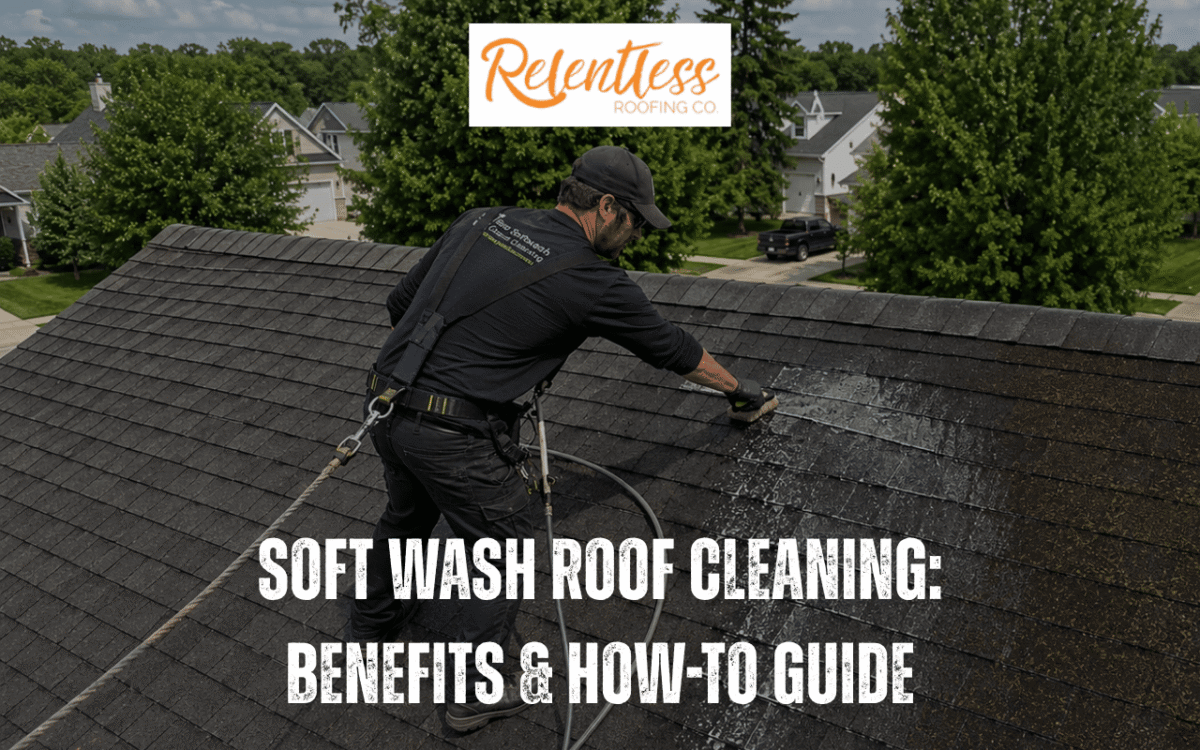
Soft wash roof cleaning uses low pressure and a roof-safe cleaning solution to remove algae, moss, mildew, lichen, and black streaks without harsh force. It is often safer than pressure washing because it protects shingles, reduces granule loss, controls runoff, and supports better long-term roof care.
Introduction
A dirty roof can make a home look older than it is. Black streaks, moss patches, mildew, and grime often mean organic growth is sitting on the roof surface. Many homeowners think pressure washing is the fastest fix, but high pressure can be risky for shingles and some tile roofs.
Soft wash roof cleaning uses low pressure and a cleaning solution to break down growth. This matters because a roof is a full system. Shingles, flashing, gutters, underlayment, vents, and drainage all help keep water out.
The goal is not just to clean stains — following proven roof cleaning methods for longevity protects the roof system while improving its appearance. The main aim is to remove growth without causing damage. A good soft wash can improve curb appeal, protect roof lifespan, reduce moisture problems, and support warranty-safe roof care when done correctly.
Key Takeaway
- Soft wash roof cleaning uses low pressure and a cleaning solution instead of harsh pressure.
- It is often safer for asphalt shingles because it lowers the risk of shingle granule loss.
- Pressure washing may clean fast, but it can push water under shingles and cause roof damage.
- The soft washing process works best with the right solution, dwell time, and careful rinsing.
- Gutters, downspouts, plants, and runoff control are part of safe roof cleaning.
- DIY soft washing is only suitable for low-risk situations.
- Professional soft washing services are better for steep roofs, older roofs, heavy moss, warranty concerns, and delicate landscaping.
What Is Soft Wash Roof Cleaning?
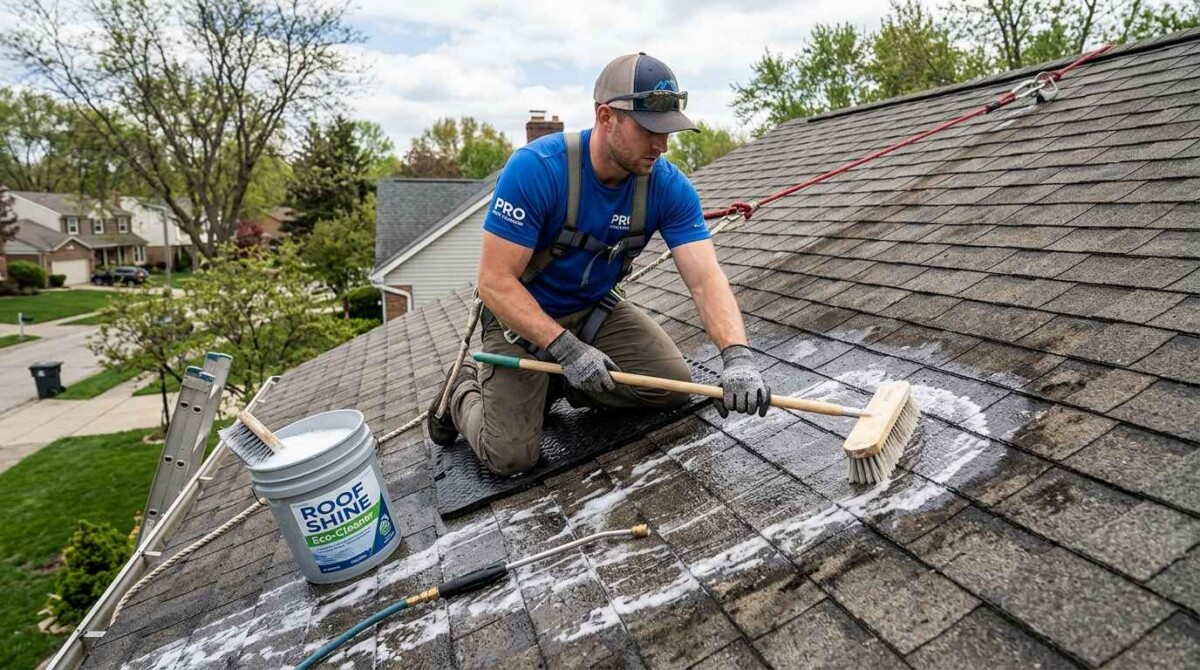
Soft wash roof cleaning is a low-pressure roof cleaning method that uses a cleaning solution to break down algae, moss, mildew, lichen, black streaks, and other organic buildup. The pressure stays low. The solution does most of the work.
A soft wash roof treatment often uses diluted sodium hypochlorite, water, and a surfactant. Sodium hypochlorite helps kill organic growth. The surfactant helps the wash solution stick to the roof surface long enough to work. This matters on sloped roofs because plain water runs off too fast.
For homeowners, the main value is control. A roof should not be cleaned like concrete. Asphalt shingles have protective granules. Tiles can crack. Metal roof coatings can wear, and homeowners wondering whether you can paint a metal roof should consider how cleaning method choices affect that coating over time.
Soft washing gives you a safer way to clean roofs when the process is handled correctly.
Soft Wash Roof vs Pressure Washing: Which Roof Cleaning Method Is Safer?
Soft wash roof cleaning is usually safer for most home roofs because it uses low pressure and chemical action. Pressure washing uses high pressure, which can remove shingle granules, crack fragile materials, or force water under roofing parts. The safest method depends on roof material, age, condition, and warranty status.
| Factor | Soft Wash Roof Cleaning | Pressure Washing |
| Main method | Cleaning solution breaks down growth | Water pressure blasts dirt away |
| Pressure level | Low pressure | High pressure |
| Best use | Shingles, roof soft washing, organic growth | Concrete, driveways, hard surfaces |
| Shingle risk | Lower when done correctly | Higher granule loss risk |
| Water intrusion risk | Lower with proper technique | Higher if water is forced under shingles |
| Warranty concern | More shingle-safe | Can create warranty issues |
Pressure washing can make a roof look clean fast, but it may create long-term risk. Soft washing takes more care because the cleaning solution must be applied, monitored, and rinsed or managed properly.
How Does the Soft Washing Process Work Step by Step?
The soft washing process works through inspection, preparation, cleaning solution application, dwell time, rinsing, and final checks. Each step protects the roof and the property around it. A good soft wash is a controlled roof cleaning process.
- Inspect the roof first
The roof is checked for age, pitch, material, loose shingles, cracked tiles, clogged gutters, and heavy moss. - Prepare the property
Outdoor items are moved or covered. Plants are watered before cleaning to lower chemical stress. - Check gutters and runoff areas
Gutters and downspouts are checked so runoff does not pool near plants, siding, or walkways. - Apply the cleaning solution
A low-pressure sprayer applies the cleaning solution evenly across the roof surface. - Let the solution dwell
Dwell time helps break down algae, moss, mildew, lichen, and black streaks. - Rinse and check the roof
The final check includes gutters, downspouts, plants, and stubborn stains.
What Chemicals Are Used in a Safe Soft Wash Roof Cleaning Solution?
A safe soft wash roof cleaning solution often includes diluted sodium hypochlorite, water, and a surfactant. Some jobs may use oxygen-based cleaners. The key is not using the strongest mix. The key is using the right mix, dwell time, and rinse plan for the roof surface.
Sodium Hypochlorite
Sodium hypochlorite is the active cleaner in many roof soft washing systems. It helps break down algae, moss, mildew, and black streaks. It must be diluted with care. Too much bleach or chlorine can harm plants, stain surfaces, and affect metals.
Surfactant
A surfactant helps the wash solution cling to shingles, tiles, and pitched roof areas. Better surface contact gives the cleaner more time to work on grime, moss, and roof stains.
Oxygen-Based Cleaner
Sodium percarbonate and other oxygen-based cleaners may be used in some cases. They may be less aggressive, but they can work more slowly on heavy moss or deep black streaks.
Can Soft Washing Remove Alga, Moss, Mildew, Lichen, and Black Streaks?
Soft washing can remove or treat alga, algae, moss, mildew, lichen, and black streaks when the right cleaning solution and dwell time are used. It works best on organic growth. It does not fix damaged shingles, rust stains, missing granules, or age-related roof wear.
Black streaks on asphalt shingles are often linked to Gloeocapsa magma. This airborne algae can feed on limestone filler in shingles. It spreads more in humid, shaded, or tree-covered areas.
Moss and lichen are different from light staining. Moss holds moisture against the roof. Lichen can grip tightly to the surface. Pulling or scraping them too hard can damage shingles.
Some stains fade right away. Others fade over days or weeks. A slower result is often safer than blasting the roof to force an instant clean look.
Is Soft Washing Safe for Asphalt Shingle Roofs and Roof Warranties?
Soft washing is often safe for asphalt shingle roofs when done with low pressure, correct dilution, and manufacturer-aligned care. It is safer than power washing because it reduces the risk of shingle granule loss and water intrusion. Homeowners should check warranty terms before any roof cleaning.
A shingle roof has granules on the surface. These granules protect the asphalt layer from sun damage and wear. If high pressure strips granules away, the roof can age faster.
Use this quick warranty-safe checklist before cleaning:
- Is the roof still under manufacturer warranty?
- Does the cleaner avoid high-pressure washing?
- Will the cleaning solution follow label directions?
- Will the roof be inspected before washing?
- Will gutters and downspouts be managed?
- Will plants and metals be protected?
The Asphalt Roofing Manufacturers Association is often referenced in roof cleaning guidance. Many asphalt shingle care notes support low-pressure, bleach-based cleaning for algae stains and warn against harsh power washing.
What Are the Main Benefits of Soft Washing for Homeowners?
Soft washing helps homeowners clean the roof, protect shingles, reduce organic growth, improve curb appeal, and lower the risk of damage from harsh cleaning. The biggest benefit is that it supports roof care without using aggressive pressure on materials that were not built for it.
Cleaner Curb Appeal
Black streaks, mildew, moss, and grime can make a home look neglected. A soft wash can improve the roof’s appearance without harsh pressure.
Better Roof Lifespan Support
Moss and lichen can hold moisture against the roof surface. That moisture can stress shingles, tiles, and roof edges. Soft washing helps reduce this buildup.
Lower Risk of Cleaning Damage
Soft washing avoids the force that can strip shingle granules, lift shingles, or push water under roofing parts.
Better Moisture Control
Less organic growth means less water sitting on the roof surface after rain. This can help reduce mold, mildew, and moss-related roof problems.
Stronger Pre-Sale Presentation
A clean roof gives the home a cared-for look and may reduce buyer concerns about roof neglect.
What Role Do Gutters, Downspouts, Plants, and Runoff Play?
Gutters, downspouts, plants, and runoff play a key role in safe soft wash roof cleaning. The cleaning solution has to leave the roof in a controlled way. If runoff is not managed, it can overflow from clogged gutters, reach garden beds, stain nearby surfaces, or sit around metal fixtures.
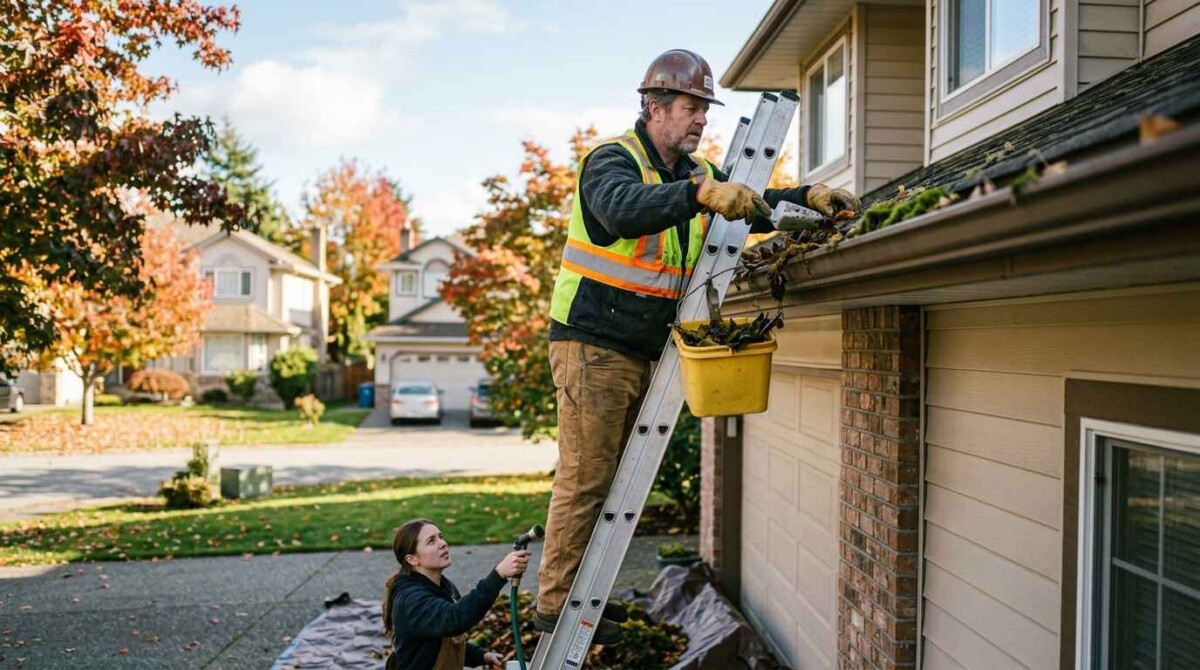
Before cleaning starts, plants should be watered and delicate areas should be protected. Wet leaves and soil are less likely to absorb the cleaning solution. Gutters and downspouts should also be checked so water can drain properly, and a professional gutter replacement may be worth considering if yours are old, sagging, or contributing to runoff problems during cleaning.
After the soft wash, the area should be rinsed well. Plants, windows, outdoor fixtures, gutters, and downspouts need a final check. Pets should stay away from wet treated areas until everything is rinsed and dry. This helps protect the property while the roof wash removes algae, moss, mildew, lichen, and black streaks safely.
DIY Soft Wash Roof Cleaning vs Hiring Soft Washing Services
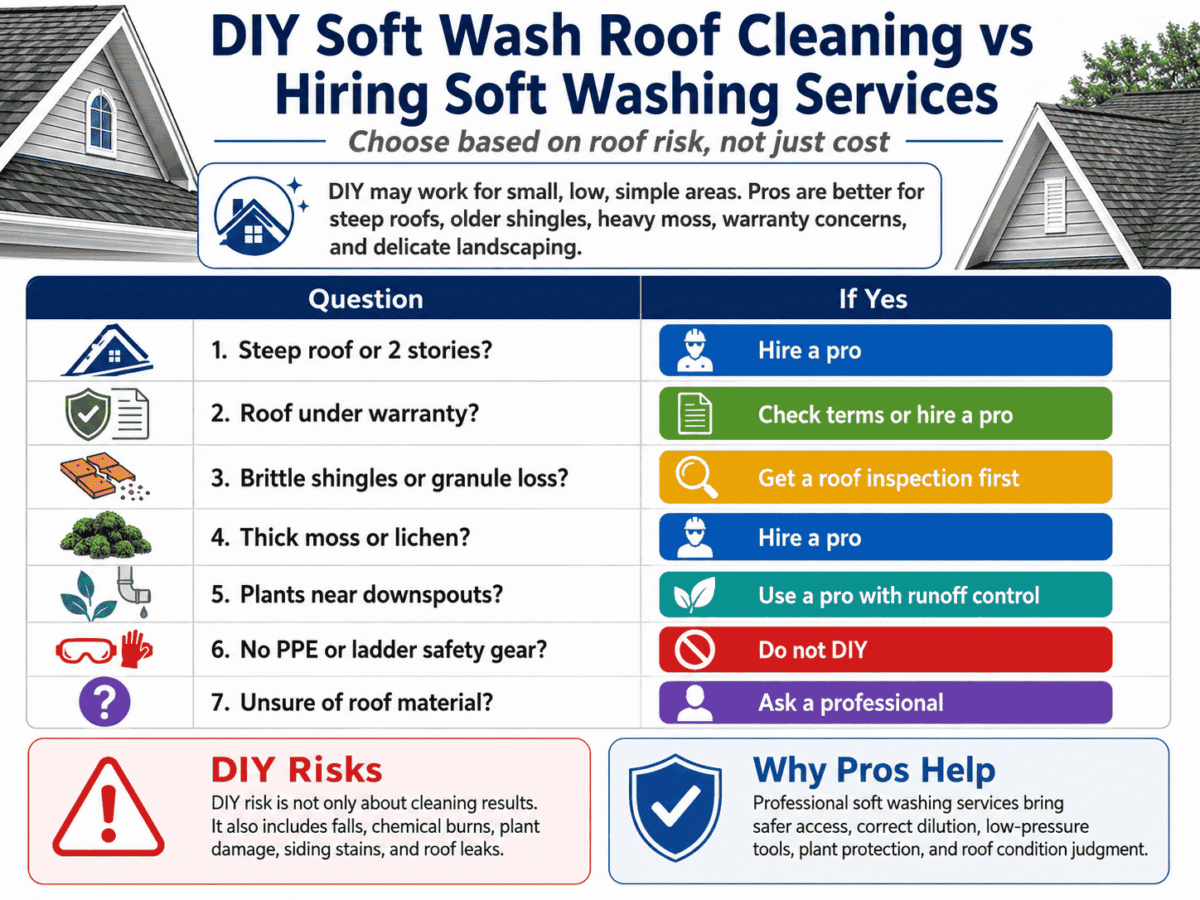
DIY soft wash roof cleaning may work for small, low, simple areas. Professional soft washing services are better for steep roofs, older shingles, heavy moss, warranty concerns, and homes with delicate landscaping. The decision should be based on risk, not just cost.
| Question | If Your Answer Is “Yes” |
| Is the roof steep or two stories high? | Hire a pro |
| Is the roof under warranty? | Check terms or hire a pro |
| Are shingles brittle or losing granules? | Get a roof inspection first |
| Is there thick moss or lichen? | Hire a pro |
| Are plants near downspouts? | Use a pro with runoff control |
| Do you lack PPE or ladder safety gear? | Do not DIY |
| Are you unsure about the roof material? | Ask a professional |
DIY risk is not only about cleaning results. It is also about falls, chemical burns, plant damage, siding stains, and roof leaks. A professional soft wash service brings safer access, correct dilution, low-pressure tools, plant protection, and roof condition judgment.
How Often Should You Schedule Soft Wash Roof Cleaning?
Most homeowners should schedule soft wash roof cleaning based on roof condition, climate, shade, and growth level. Many roofs need cleaning every 1–3 years. Humid, shaded, and tree-covered roofs may need it sooner. Dry, sunny roofs may go longer between cleanings.
| Roof or Condition | Typical Cleaning Range | Watch For |
| Asphalt shingles in humid shade | Every 12–24 months | Black streaks, moss, mildew |
| Asphalt shingles in dry sun | Every 2–3 years | Dirt, light algae, debris |
| Tile roof near trees | Every 1–3 years | Moss in joints, leaf buildup |
| Metal roof | Every 3–5 years | Dirt, oxidation, gutter debris |
| Coastal or damp areas | Often sooner | Salt, moisture, algae |
Signs your roof may need cleaning sooner include spreading black streaks, moss clumps, lichen spots, clogged gutters, leaf-filled valleys, and damp shaded slopes. You can slow regrowth by trimming branches, cleaning gutters, clearing debris, and improving attic ventilation.
When Should You Book a Professional Soft Wash Roof Service?
You should book a professional soft wash roof service when the roof is steep, high, old, under warranty, heavily stained, or close to delicate plants. A pro is also better when the job needs careful runoff control, roof inspection, or a documented cleaning method.
Book a professional if:
- Your roof is two stories or hard to access.
- The pitch makes ladder work unsafe.
- The roof is still under warranty.
- You see thick moss or lichen.
- Shingles are brittle or losing granules.
- You have copper flashing, aluminum gutters, or sensitive plants.
- You do not know what cleaning solution to use.
Ask what pressure they use, what cleaning solution they apply, how they protect plants, whether they flush downspouts, and if they inspect the roof before washing. A good local roofing contractor should explain the method and warn you if the roof needs repair before washing.
Conclusion
Soft wash roof cleaning is a safer way to clean many residential roofs because it uses low pressure and a controlled cleaning solution. It can remove black streaks, moss, mildew, lichen, and grime while reducing the risks linked to pressure washing.
For homeowners, the best result comes from choosing the right method for the roof’s age, material, condition, warranty, and climate. If the roof is steep, older, heavily stained, or surrounded by delicate landscaping, a professional soft wash is often the safer choice. The aim is simple: clean the roof, protect the home, and avoid damage that could cost far more later.
You May Also Want to Read
You may also want to read:
- How to Choose a Good Commercial Roofing Contractor
https://relentlessroofingco.com/how-to-choose-a-good-commercial-roofing-contractor/ - How Much Does It Cost to Tarp a Roof
https://relentlessroofingco.com/how-much-does-it-cost-to-tarp-a-roof/
FAQs
How much does it cost to soft wash a roof?
Soft wash roof cleaning cost depends on roof size, height, pitch, access, growth level, and local rates. A simple one-story roof usually costs less than a steep roof with heavy moss. Ask for a written quote that includes plant protection, gutter flushing, and the cleaning method.
Is soft washing a roof worth it?
Yes, soft washing is often worth it if your roof has black streaks, moss, mildew, or lichen. It improves appearance and helps reduce moisture problems. It is most valuable before organic growth becomes thick or starts affecting shingles, gutters, or roof edges.
How often should you soft wash a roof?
Many roofs need soft washing every 1–3 years. Humid, shaded, and tree-covered roofs may need cleaning every 12–24 months. Dry and sunny roofs may last longer between cleanings. Use visible signs like black streaks, moss, and gutter debris to guide timing.
Does soft washing damage roof shingles?
Soft washing should not damage shingles when done with low pressure, correct dilution, and careful runoff control. Damage risk rises when someone uses high pressure, too much bleach, harsh scrubbing, or poor rinsing. Old or brittle shingles should be inspected before cleaning.
Can you soft wash a roof in the rain?
Light rain may not ruin every soft wash, but heavy rain can dilute the cleaning solution and reduce dwell time. Most pros prefer dry, mild weather. Avoid roof cleaning during storms, strong wind, extreme heat, or unsafe ladder conditions.