Replacing your roof is one of the biggest home improvement projects you’ll face. The decision matters because roofing materials affect cost, comfort, energy efficiency, and curb appeal. Many homeowners are now considering premium roofing materials such as Brava synthetic shakes instead of traditional cedar shakes or asphalt shingles.
But with some Brava roof price quotes reaching six figures, many wonder: Are synthetic shake costs truly justified compared with cedar or asphalt shingles? This article from Relentless Roofing Co., breaks down everything you need to know — from lifespan and maintenance to installation costs and performance — so you can make the right choice for your home.
What Is a Cedar Shake Roof and Why Has It Been Popular for Centuries?
Cedar shake roofing has been around for hundreds of years. Traditionally split from cedar logs, these hand-crafted shakes give a rustic, natural look that many homeowners love. They became especially popular in colonial and early American homes because cedar was abundant, easy to work with, and offered natural resistance to insects and moisture.
Even today, the look of natural cedar continues to appeal. The texture, color variation, and weathered gray patina over time create a unique charm that asphalt shingles cannot replicate. Cedar shake shingles also provide better insulation than many common roofing materials, helping to regulate temperatures indoors.
Because of this history and visual appeal, cedar roofs remain a premium roofing option despite higher installation costs and maintenance requirements.
What Are the Pros and Cons of Cedar Shake Roofs?
A cedar shake roof has long been valued for its rustic charm and natural wood appearance. Homeowners often choose cedar shake shingles for curb appeal, but there are trade-offs to consider.
Pros of Cedar Shake Roofing
- Timeless look: Adds unique character and can boost resale value compared with an asphalt shingle roof.
- Energy efficiency: Cedar wood provides natural insulation, helping lower heating and cooling costs.
- Durability: With proper care, cedar shake roofing can last 25–30 years and handle impact well.
Cons of Cedar Shake Roofing
- High maintenance: Requires cleaning every 2–4 years to control moss, algae, and rot.
- Fire risk: Untreated cedar is flammable, and treated options increase roof cost.
- Insurance issues: Some providers hesitate to cover cedar roofs.
- Upfront cost: At $8–$15 per sq.ft., cedar is more expensive than asphalt and close to synthetic options.
In summary: A cedar shake roof delivers natural beauty but falls short in safety, lifespan, and maintenance when compared to synthetic cedar shake or modern asphalt shingles.
What Is Asphalt Shingle Roofing and How Does It Compare to Cedar?
Asphalt shingles are the most common roofing material in North America, made from a fiberglass mat layered with asphalt and mineral granules. They are affordable, versatile, and easy to install, but how do they stack up against cedar shake roofs?
Pros of Asphalt Shingle Roofing
An asphalt shingle roof offers a wide variety of styles and colors, holds a Class A fire rating, and costs only $3.50–$5.50 per square foot. Installation is also straightforward, which makes it a top choice for budget-conscious homeowners.
Cons of Asphalt Shingle Roofing
The downside is lifespan—most shingles last only 20–30 years before showing signs of curling, cracking, or granule loss. They are also less eco-friendly since they are petroleum-based and difficult to recycle, which raises concerns for environmentally minded homeowners.
Cedar vs Asphalt Shingles: Which Is Better?
Cedar shake shingles provide natural beauty and better insulation, while asphalt shingles are valued for their affordability and convenience. In the end, cedar appeals to those wanting charm and performance, while asphalt fits homeowners seeking a cost-effective and practical roofing material.
You may also read: What Are the Different Types of Roofing Materials?
Why Are Homeowners Switching to Synthetic Cedar Shake Roofs?
Synthetic shakes are engineered roofing products made from polymers and recycled materials that replicate the look of natural cedar without its weaknesses. Brands like Brava Roofing and DaVinci Roofscapes lead this market.
Homeowners are choosing synthetic cedar shakes because they offer:
- Low maintenance: No moss removal or resealing required
- Weather resistance: Class 4 impact rating and Class A fire resistance
- Longevity: Warranties often 40–50+ years
- A natural look: High-quality synthetic shakes mimic the depth and color variation of real cedar
Essentially, synthetic cedar shakes combine the beauty of natural wood with the durability of modern roofing materials.
How Do Brava® Composite Tiles Compare to Natural Cedar?
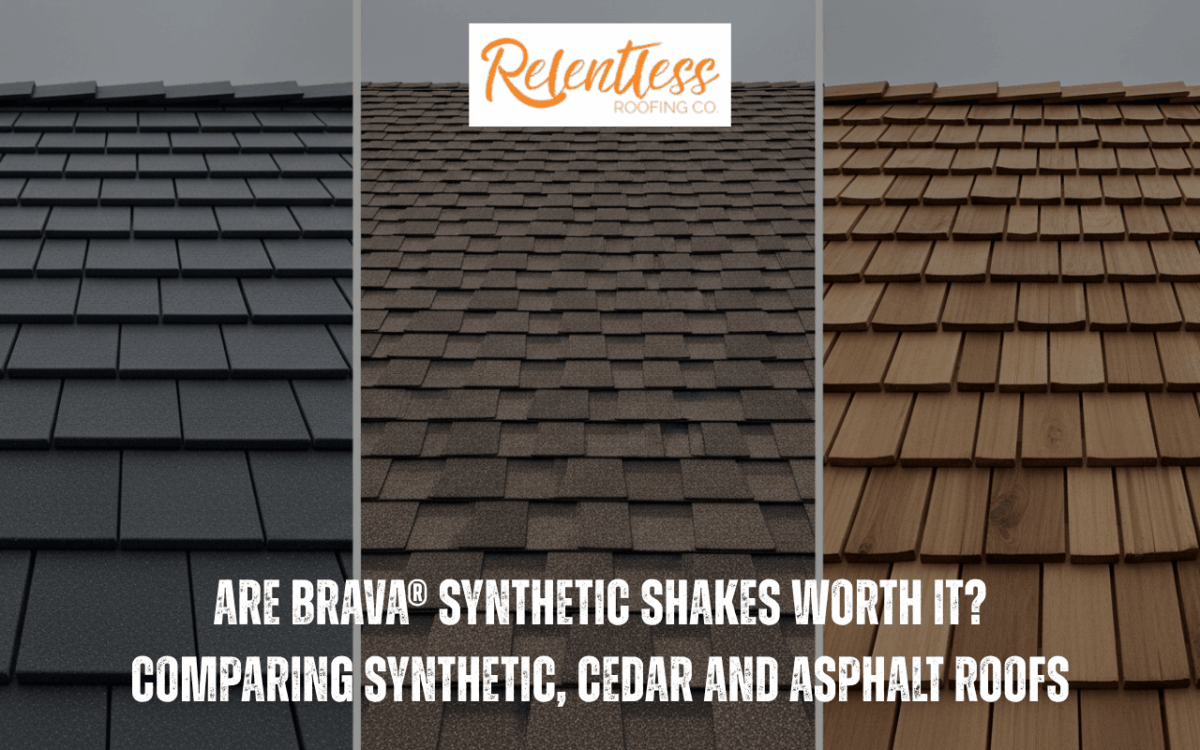
Brava composite tiles are among the most sought-after synthetic shake products. They come in multiple widths and 11 standard colors, with custom color options available.
Advantages of Brava tiles over natural cedar
- Durability: Class 4 impact and Class A fire ratings
- Lower maintenance: No special cleaning or sealing needed
- Warranty: Up to 50 years, far exceeding cedar’s 20–30 year span
- Eco-friendly: Made with recycled materials and fully recyclable
The Brava roof price typically ranges from $7–$12 per square foot installed, making it competitive with cedar but with far fewer long-term costs. For homeowners who want the cedar look without the headaches, Brava roofing is one of the top solutions available.

What’s the Lifespan of Synthetic Shakes vs Cedar and Asphalt Shingles?
Lifespan is one of the most important factors in choosing a roof. Here’s how each option compares:
- Asphalt shingles last about 20–30 years on average. They are affordable but tend to wear out faster in areas with extreme weather.
- Cedar shake shingles last 25–30 years with proper maintenance. In damp or shaded climates, they may fail sooner due to moss, rot, or insect damage.
- Synthetic cedar shake roofs such as Brava or DaVinci last 40–50+ years. They are engineered to resist rot, pests, and weather, all while requiring very little maintenance.
Overall, a synthetic cedar shake roof offers the best long-term value. While the upfront cost is higher than asphalt or cedar, the extended lifespan means fewer replacements and lower costs over time.
Do Synthetic Shakes Provide Energy Savings?
Yes, synthetic roofing products can improve energy efficiency.
- Natural cedar has insulating qualities, but gaps and irregularities may reduce effectiveness.
- Asphalt shingles absorb heat, which can raise attic temperatures.
- Brava synthetic shakes and other engineered shingles often include reflective coatings or insulation layers, helping to lower cooling costs.
Homeowners report that synthetic shakes provide steady indoor comfort and reduce the strain on HVAC systems, especially in hot summers.
You may also read: Best Energy-Efficient Roofing Materials for Lower Utility Bills
How Do Costs Compare Per Square Foot for Asphalt, Cedar, and Brava Synthetic Shake Roofs?
Understanding the cost per square foot helps homeowners compare roofing materials more clearly.
- Asphalt shingle roofs usually cost between $3.50 and $5.50 per square foot. They are the most affordable option upfront, but they have a shorter lifespan and may need replacing more often.
- Cedar shake roofs range from $8.00 to $15.00 per square foot. While they offer a natural look and good insulation, they require ongoing maintenance and can bring higher long-term expenses.
- Brava composite tiles typically cost $7.00 to $12.00 per square foot. Although the initial price is higher than asphalt, their longer lifespan and low maintenance make them one of the most cost-effective roofing solutions over time.
In many cases, a homeowner may need to replace an asphalt shingle roof twice in the same period that a Brava synthetic shake roof lasts once, proving the long-term value of synthetic options.
You may also read: What Does a 25‑Square Roof Replacement Cost in Michiana?
What Are the Maintenance Needs for Cedar, Asphalt, and Synthetic Roofs?
- Cedar shake roofing: Requires cleaning, treatment, and moss removal every 2–4 years. Without care, cedar can rot or crack.
- Asphalt shingles: Require occasional inspection for granule loss, cracking, or lifting.
- Synthetic shakes (Brava, DaVinci): Virtually no maintenance beyond standard roof inspections. They don’t absorb moisture, warp, or attract pests.
This makes synthetic options appealing for homeowners who want a set-and-forget roofing solution.
Should You Choose Brava Roofing or DaVinci Shake for Your Roof Replacement?
When comparing synthetic cedar shake roofs, the two leading names are Brava Roofing and DaVinci Shake. Both offer the look of cedar with modern durability, but there are key differences.
Brava Roofing Overview
Brava composite tiles are known for their realistic wood-grain textures, multiple widths, and wide color range. The Brava roof price is often a bit lower than DaVinci, making it a strong choice for homeowners seeking premium style at a competitive cost.
DaVinci Shake Overview
DaVinci is positioned as a luxury synthetic shake. It offers excellent durability, consistent finishes, and more customization options, though usually at a slightly higher price point.
Brava vs DaVinci: Which Is Right for You?
Both brands deliver Class 4 impact ratings and Class A fire resistance. Brava appeals to those prioritizing cost and natural look, while DaVinci suits homeowners seeking premium finishes and maximum customization.
How to Decide When Choosing the Right Roofing Material for Your Home
When choosing between asphalt shingles, cedar shakes, and synthetic shakes, ask yourself:
- Budget: Do you want the lowest upfront cost (asphalt) or the best long-term value (synthetic)?
- Appearance: Do you prefer the natural look of cedar or the consistent style of synthetic?
- Maintenance: Do you want low-maintenance roofing, or are you willing to clean cedar every few years?
- Insurance: Will your insurer cover cedar, or would synthetic be easier to insure?
For many homeowners, Brava composite tiles or DaVinci shakes strike the right balance of beauty, durability, and performance.
You may also read: Overlay vs Tear‑Off: Is Re‑Roofing Over Existing Shingles Worth It?
Conclusion
Choosing the right roofing material comes down to balancing cost, durability, and appearance. Asphalt shingles are the most affordable, cedar shake roofs deliver natural beauty, and Brava synthetic shakes offer the longest life with the least maintenance. While the upfront price of synthetic shakes is higher, their lifespan and low upkeep often make them the best long-term investment. For homeowners who want the look of cedar without the hassle, Brava and DaVinci provide premium roofing solutions that protect your home for decades.
Summary: Key Takeaways About Cedar Shake vs Synthetic Roofing
- Asphalt shingles are the most affordable but have the shortest lifespan.
- Cedar shake roofs look stunning but require heavy maintenance and carry fire risks.
- Brava synthetic shakes and DaVinci shake tiles deliver the cedar look with superior durability and energy efficiency.
- While synthetic shake cost is higher upfront, Brava roof price quotes often pay off over decades thanks to longer life and lower maintenance.
FAQs About Synthetic Shake Cost and Roofing Choices
1. How much is a cedar shake roof compared to asphalt shingles?
Cedar shake costs $8–$15 per sq.ft., while asphalt shingles cost $3.50–$5.50 per sq.ft.
2. What is the difference between CeDUR and Brava?
CeDUR makes lightweight polyurethane shakes, while Brava uses composite tiles with more texture and color options.
3. How long will a cedar shake roof last vs synthetic?
Cedar lasts 20–30 years with care. Synthetic shakes last 40–50+ years with minimal upkeep.
4. Are Brava composite cedar shake shingles environmentally friendly?
Yes. Brava uses recycled materials and offers products that reduce landfill waste compared with asphalt.
5. Brava vs DaVinci: Which is better?
Both are excellent. Brava is known for authentic texture and affordability, while DaVinci is often chosen for premium finishes and wider design choices.