
Introduction
It often starts with a small drip. A stain on the ceiling. A faint smell of moisture. Then weeks later, you’re facing interior water damage that can cost 10k or more to repair. A roof leak rarely stays small. Water spreads under shingles, soaks the deck, and damages insulation fast.
The average cost of roof repair ranges from a few hundred dollars for a patch to several thousand. A full replacement can reach tens of thousands depending on roof size and materials. This guide shows homeowners how to catch small issues early, use tarp solutions correctly, understand repair costs, and protect your home before serious damage hits.
Key Takeaway
- A small roof leak can quickly turn into structural damage. What looks minor today can affect drywall, insulation, and framing within weeks.
- Early roof inspection helps catch small leaks before repair costs increase and damage spreads under shingles and into the roof deck.
- Most minor roof repair jobs cost far less than fixing interior water damage, mold growth, or replacing soaked insulation.
- Emergency tarping works only as a temporary fix. It does not solve the root problem or prevent future leaks.
- Acting before the next storm hits protects your home, reduces insurance claims stress, and keeps your roof in stronger condition long term.
Why Every Homeowner Should Schedule a Roof Inspection Before Small Leaks Turn Costly
A routine roof inspection helps catch small issues early before they turn into serious roof damage. Many leaks begin with simple problems like granule loss, exposed nails, cracked flashing, loose shingles, or minor wear around roof valleys and vent areas. Over time, water slips under shingles and spreads across the deck without clear warning signs inside your home.
In many situations, inspection revealed hidden damage that homeowners could not see from the ground. Small cracks in asphalt shingles, soft decking, or flashing gaps near a valley can slowly weaken the structure. If ignored, these minor defects can lead to interior water damage and repair bills that reach 10k or more.
When you schedule a professional roof inspection, you reduce risk and uncertainty. Many local roofing contractors offer a free inspection. Booking a roof inspection today can protect your home and lower long-term roof repair costs.
What Are the Most Common Causes of a Roof Leak? (And How to Catch Them Early)
Most roof leak problems come from gradual wear or sudden storm damage. Knowing the warning signs helps you catch small issues early and avoid larger repair costs.
Common causes include:
- Storm damage and hail bruises that weaken shingles
- Curling shingles from UV exposure and harsh weather
- Bald spots where granules are missing, leading to faster deterioration
- Water under shingles due to lifted edges
- Ice dam formation during freeze-thaw cycles
- Flashing failures near roof valleys and chimneys
- Gutter and downspout overflow from clogged systems
- Poor attic ventilation, which traps moisture
Leaks usually start small. Spotting these signs early can prevent structural damage and expensive repairs later.
How to Examine Your Roof for Early Signs of Roof Damage Without Risking Safety
You do not need to climb onto your roof to examine your roof safely. Start inside your home and work outward step by step.
- Look for water stains on ceilings or interior water spots in the attic. These are often the first signs of a hidden leak.
- Check for intrusion, damp insulation, or daylight coming through deck boards.
- Inspect gutters for shingle granules or heavy debris buildup after storms.
- Spot curling shingles or visibly damaged shingles from the ground using binoculars if needed.
- Identify bald spots where granules have worn away.
- Document damage with clear photos for insurance claims and future inspection follow-ups.
- Call a roofer if you see spreading damage, sagging areas, or loose materials.
Avoid climbing steep roofs. Roof size, height, and slope increase safety risks. A qualified roofing contractor can inspect the roof thoroughly and safely.
Can Storm Damage and Hail Create Hidden Roof Problems? What Homeowners Miss
Storm damage often creates hidden roof damage that does not leak right away. Hail can cause impact damage that bruises shingles without tearing them. Over time, granule loss weakens the protective surface and allows slow water intrusion. This type of roof leak may not appear inside your home until months later, when stains or soft spots finally show.
Asphalt shingles can crack after issues like hail, especially during hot summers followed by freeze-thaw cycles. These temperature swings expand and contract materials, making small fractures worse. Flat roof systems are also vulnerable to ponding water after heavy rain. Standing water slowly breaks down seams and membranes.
If your roof was hit by hail or strong winds, act as soon as you notice warning signs. Here are common signs you need roof repair after a storm that many homeowners overlook. Document damage carefully before meeting the adjuster. Filing insurance claims early reduces stress and helps prevent costly repairs later.
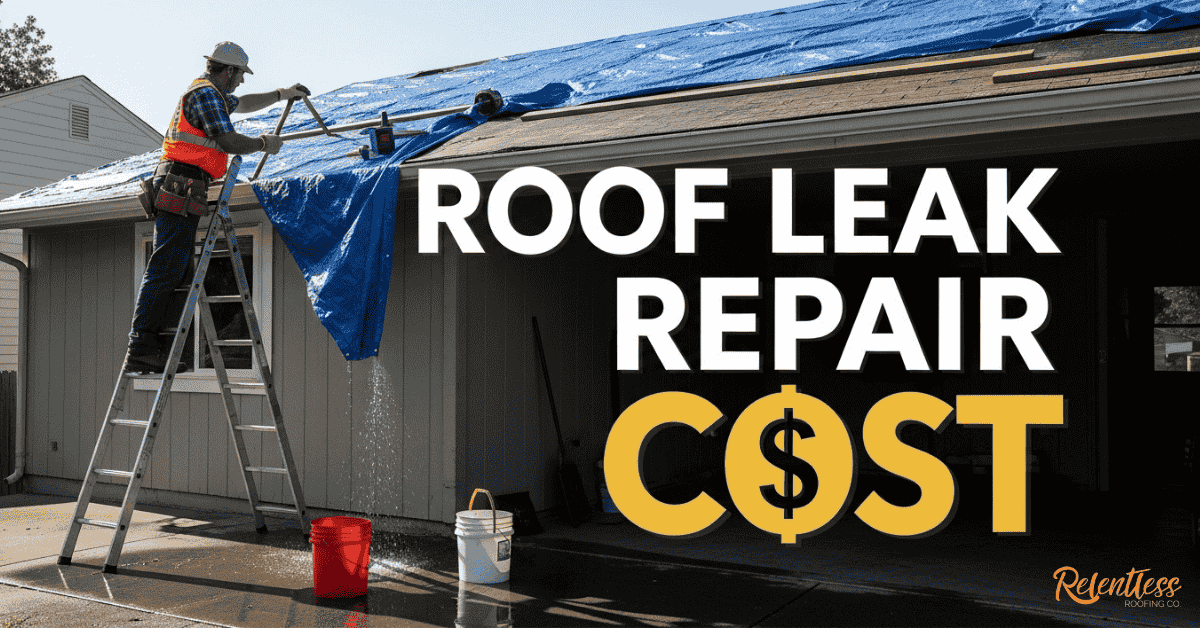
When Should You Use a Tarp as a Temporary Fix for a Roof Leak?
Tarping is a short-term emergency solution used to prevent more water from entering your home. It is not a permanent repair.
Use a tarp when:
- Severe storm damage has torn shingles away
- Heavy rain is entering through an open area
- Emergency repairs cannot be completed immediately
- You are waiting for a roofing contractor or insurance adjuster
A tarp should last only until proper repair services are scheduled. Patching over major damage without fixing the source can lead to more water damage. Delaying permanent roof repair increases repair costs and risk of interior damage.
Tarping helps protect your home temporarily. Schedule full repairs as soon as possible.
What Is the Average Cost of Roof Repair vs Full Replacement? (Repair Costs vs Long-Term Value)
Understanding the average cost helps you decide whether to repair your roof or move toward full replacement. Here’s a simple comparison:
| Scenario | Average Cost | When It Makes Sense |
| Small leak patch | $300–$900 | Isolated issue |
| Moderate roof repair | $1,000–$4,000 | Limited roof damage |
| Major repair | $4,000–$10,000 | Structural damage present |
| Full replacement | $12,000–$30,000+ | Need a new roof |
Labor rates, roof size, and quality workmanship heavily influence pricing. Larger roofs cost more in materials and time. If repair costs approach half the price of replacement, it may be smarter to invest in a new roof that improves energy efficiency and meets current code compliance standards.
Compare that to a 10k interior damage bill from water damage, drywall repair, and insulation replacement. Acting early often saves thousands.
If damage is isolated, repair works. If your roof is aging or failing systemically, consider replacement.
How Do Gutters and Attic Ventilation Prevent Roof Issues Before They Start?
Most roof problems start quietly, often due to poor drainage or trapped attic heat. Two systems help prevent this: gutters and attic ventilation. When working properly, they move water away from the roof surface and control moisture buildup inside the home.
Clean Gutters and Proper Drainage
Clean gutters allow water to flow properly through the gutter and downspout system. When clogged, water backs up and pools in roof valleys. Over time, this standing water seeps under shingles and leads to leaks. Regular cleaning prevents overflow and reduces long-term roof repair costs.
Proper Attic Ventilation
Proper attic ventilation balances airflow. Without it, heat and moisture build up. In hot summers, trapped heat shortens shingle life. During freeze-thaw cycles, poor airflow contributes to ice dam formation. That leads to ice and water buildup under shingles.
Both systems protect the roof deck from moisture and structural damage. Routine roof maintenance should always include checking drainage and ventilation.
Do Older Roofs and Flat Roof Systems Need Special Attention?
As roofs age, their risk of leaks and structural damage increases due to years of weather exposure and material breakdown. Older roofs and flat roof systems require closer monitoring, routine inspection, and proactive care to prevent costly repairs.
Older Roofs (20 Years Old or More)
Roofs over 20 years old often show signs of wear. Look for granule loss, thinning areas, and exposed shingle granules in gutters. Curling edges and cracked shingles signal aging. At this stage, frequent repairs may mean you need a new roof rather than ongoing patchwork.
Flat Roof Concerns
A flat roof behaves differently. If you suspect pooling or slow intrusion, learn how to find a leak in a flat roof before damage spreads. Drainage problems are common. Water pooling increases intrusion risk. Small punctures may go unnoticed until leaks appear inside. Because flat roofs lack steep slopes, water does not shed quickly.
Evaluate your roofing options if problems repeat. Strategic upgrades can prevent ongoing repair costs and protect your home long term.
Maintenance Tips for Extending Roof Life and Avoiding Expensive Repairs Later
Simple maintenance tips can dramatically reduce repair costs and extend roof life. You can review these roof maintenance tips to extend roof lifespan for a deeper prevention checklist.
- Schedule annual inspection to catch small issues early.
- Clean gutters twice a year to prevent overflow.
- Trim overhanging branches to avoid impact damage.
- Check roof valleys for debris buildup.
- Address small leaks immediately before they grow.
- Watch for harsh weather damage after storms.
- Use local roofing professionals for quality workmanship.
- Keep records for insurance claims and document damage clearly.
Consistent roof maintenance prevents small leaks from becoming structural damage. Preventive care costs far less than major repairs later.
Conclusion
A small leak today can lead to 10k interior damage tomorrow. Water spreads fast and weakens your roof deck, insulation, and drywall before you realize the full impact.
Early inspection is the smartest move any homeowner can make. Routine roof maintenance, clean gutters, and quick action after storm damage protect your home and reduce repair costs.
If you notice water stains, curling shingles, or granule buildup, do not wait. Schedule professional roof leak repair and a detailed inspection before the next storm causes bigger damage. Acting early protects your home, your budget, and your peace of mind. Visit Relentless Roofing Co. to get expert guidance and fast response across Indiana.
You may also want to read:
-
How much does it cost to repair a roof in Elkhart, Indiana?
https://relentlessroofingco.com/roof-repair-cost-elkhart-indiana/ -
Emergency roof repair: what to do when disaster strikes
https://relentlessroofingco.com/emergency-roof-repair-what-to-do-when-disaster-strikes/
FAQs
1. What is the average cost to repair a roof leak?
Most homeowners spend between $300 and $4,000 depending on the roof damage and the size of the leak. A simple shingle patch costs less, but deck or structural issues can push repairs toward 10k if ignored.
2. Will insurance pay for a new roof if it’s leaking?
Insurance may cover roof repair or replacement if the leak is caused by sudden storm damage, not wear or clogged gutter neglect. Always document damage with photos and request a professional inspection.
3. Will insurance cover water damage from a leaky roof?
Coverage depends on the cause of the leak. If storm damage led to interior issues, policies may include deck or ceiling repairs, but homeowners must document damage before the adjuster visit.
4. Can I fix a small roof leak myself or should I call a professional?
A minor patch or temporary tarp may help briefly, but hidden damage near a vent or under shingles often requires a qualified roofer. Safety and long-term results matter.
5. Is it cheaper to repair a roof leak or replace the entire roof?
If the issue is isolated, roof repair is usually cheaper. But aging shingles, repeated leaks, or widespread damage may mean replacement is smarter for long-term protection.