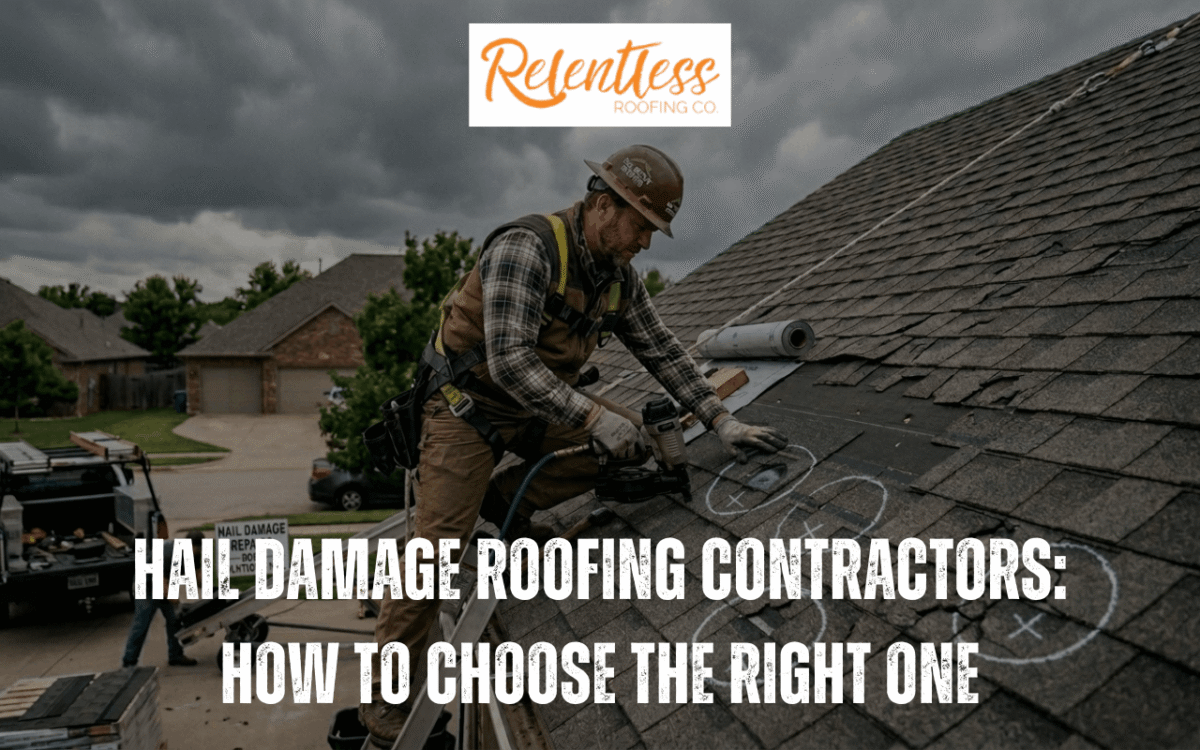
Hail damage roofing contractors inspect your roof, document damage, and guide you through the insurance claim process. The right contractor helps you get fair coverage and proper repair, while the wrong one can miss damage, delay claims, and increase long-term costs.
Introduction
Hail damage often looks minor at first, which is why spotting signs of roof damage after a storm before filing a claim can protect both your roof and your coverage. A few dents or loose shingles may not seem urgent. But damage to your roof can spread quickly. Water enters weak spots and leads to leaks, mold, and costly repairs.
Many homeowners feel unsure after a hail storm. You may not know if your roof has hail damage or what step comes next. This confusion leads to delays, and delays can affect your insurance claim.
This guide gives clear direction. You will learn how to inspect damage, work with roofing companies, and choose a reliable roofing contractor. The goal is simple. Protect your home and make the right decision without guesswork.
Key Takeaway
- Hail damage roofing contractors help inspect, document, and repair your roof while supporting your insurance claim
- Acting early protects your roof and prevents further damage
- A proper roof inspection shows the real condition of your roof
- Choosing the right roofing contractor ensures quality work and smooth claim handling
- This helps you avoid costly mistakes and protect your home
Hailstorms and Your Roof: Why Choosing the Right Roofing Contractor Changes Everything
Hail damage weakens shingles, removes protective granules, and exposes your roof system to water damage. The right roofing contractor finds hidden issues, supports your insurance claim, and ensures proper repair.
Hail hits your roof with force. It creates dents and cracks. These small impacts reduce the roof’s strength. Over time, this leads to leaks and structural problems.
A skilled roofer does more than fix visible damage. They assess the extent of the damage and document it clearly. This helps the insurance adjuster understand what needs repair.
Poor contractors miss hidden issues or rush the job. This can lead to denied claims or repeated repairs. Choosing the right contractor protects both your roof and your finances.
What to Do After a Hail Storm (First 24–72 Hours That Protect Your Claim)
After a hail storm, check visible damage, document it, and contact a roofing contractor for a roof inspection before filing an insurance claim. Early steps protect your claim and prevent further damage.
Start with a ground-level check. Look at your roof, gutter, siding, and downspouts. Dents and cracks are common signs of hail damage. Avoid climbing onto the roof if it is unsafe.
Take clear photos of all damage. This helps document the damage before conditions change. Insurance companies rely on early proof during the claims process.
Then contact a local roofing contractor who can inspect the roof and confirm damage before your claim is filed. A professional inspection helps confirm damage and guides your next step.
Post-Storm Checklist:
- Check roof, gutter, and siding
- Take clear photos
- Call a roofing contractor
- Avoid quick repairs
- Contact your insurance provider
How to Tell If Your Roof Has Hail Damage (Even If It Looks Fine)
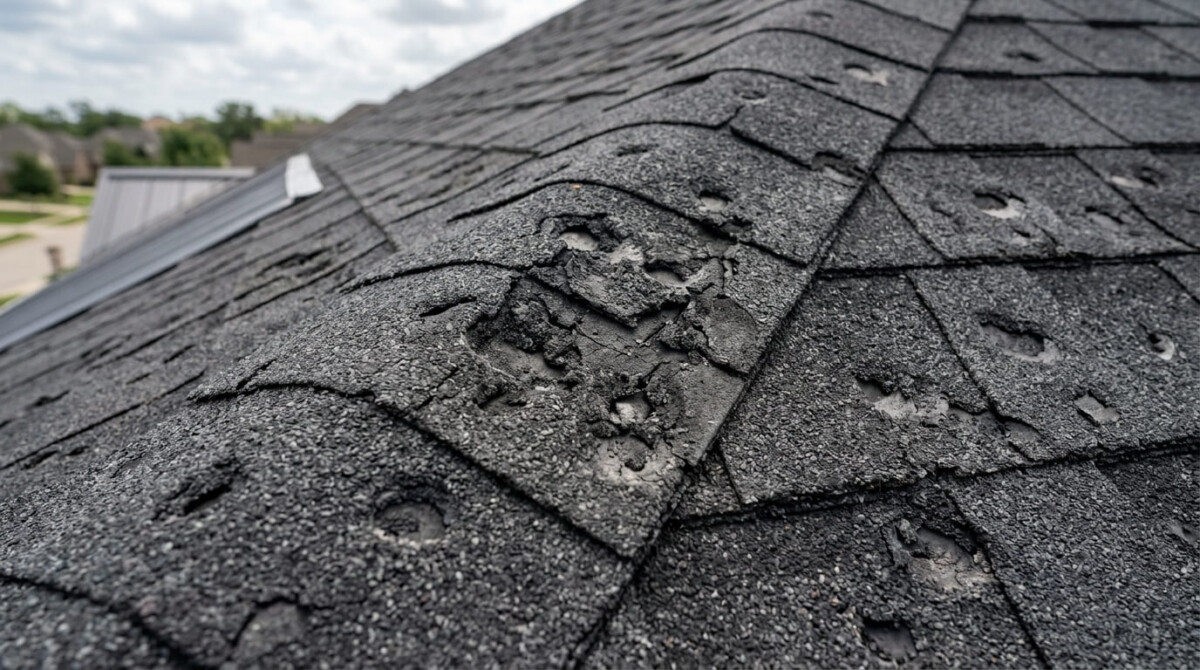
You can identify hail damage by looking for dents, missing granules, cracked shingles, and damage to metal parts like vents and gutters. Some damage is hidden and needs inspection.
Shingles may show dark spots or bruising, and professional hail damage roof repairs address both the visible impact and the hidden weakening beneath the surface. Granule loss exposes the surface beneath. This weakens your roof over time.
Metal parts like roof vents, chimney flashing, and gutters often show dents. These are strong indicators of hail impact. Hidden damage is more serious. Water can enter small cracks and cause leaks later. This type of damage spreads inside the roof system.
There is also a difference between cosmetic and functional damage. Cosmetic affects appearance. Functional damage affects protection. Insurance companies focus on functional issues.
The Claim-Safe Contractor Filter: How to Choose the Right Roofing Contractor
A claim-safe roofing contractor inspects properly, documents damage clearly, and supports your insurance claim. This ensures accurate reporting and better claim approval.
Inspection is the first step. A good contractor checks shingles, flashing, and roof vents. They assess both visible and hidden damage.
Documentation is key. Clear photos and notes help the insurance adjuster review your case. Poor records can reduce your claim value.
Insurance support also matters. Contractors who work directly with your insurance provider help explain the scope of work and avoid confusion.
| Contractor Type | Strength | Risk |
| Local roofing company | Strong reputation | Limited availability |
| Storm chaser | Fast response | Low accountability |
| Generic roofer | Basic repair | Weak claim support |
| Insurance-focused contractor | Strong claim help | Higher cost |
What to Look for in Hail Damage Roofing Contractors (Before You Sign Anything)
Before hiring, check licensing, insurance, experience, and reviews. A reliable roofing contractor provides clear pricing, a written scope of work, and strong communication.
Start with credentials. A licensed contractor follows rules. Insurance protects you from liability during work. Next, review Google reviews and online reputation. Look for consistent feedback and 5-star reviews. A trusted local roofing company usually has strong community presence. Ask for a written estimate. It should explain materials, cost, and timeline. This prevents confusion later.
Contractor Checklist:
- Valid license and insurance
- Strong Google reviews
- Written scope of work
- Experience with hail damage roofing
- Clear communication
Taking a little time to check these details helps you avoid costly mistakes. A good contractor will be clear, honest, and never rush your decision.
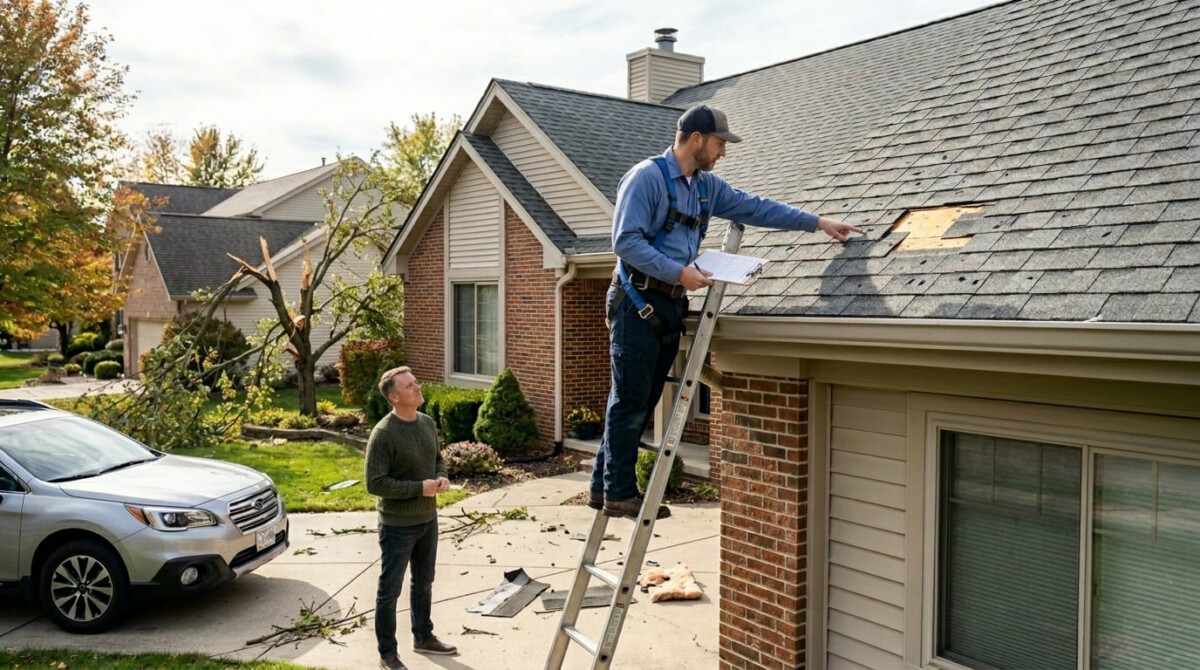
Red Flags That Signal Roofing Scams After a Hail Storm
Watch for contractors who pressure you to sign quickly, avoid documentation, or make unrealistic promises. These are common signs of scams.
Storm chasers often appear after a recent hailstorm, so avoiding roofing scams in Elkhart starts with knowing the warning signs before you open the door. They go door to door and push fast decisions. This is a warning sign.
Be careful with insurance promises. Some contractors say they will waive your deductible. This is risky and often not allowed. Lack of clear paperwork is another issue. If a contractor avoids written estimates or inspection reports, it signals poor practice.
Always choose a contractor who is transparent, patient, and willing to explain every step.
Insurance Claims Made Simple: How Roofing Contractors Work With Insurance Companies
The insurance claim process includes inspection, filing, adjuster review, and approval. A roofing contractor helps document damage and supports your claim.
First, confirm damage through a roof inspection. Then file a claim with your insurance provider.
An insurance adjuster will inspect your roof, and understanding the roofing insurance claim process before that visit helps you communicate damage clearly and avoid gaps in coverage. Your contractor should be present to explain damage clearly.
After review, the insurance company provides an estimate. Your contractor checks it and ensures all damage is covered.
Claim Process Steps:
- Roof inspection
- File insurance claim
- Adjuster inspection
- Review estimate
- Start repair or replacement
This process works best when your contractor stays involved at every step. Clear communication helps avoid delays and missed damage.
The goal is simple. Make sure everything is covered and the work is done right the first time.
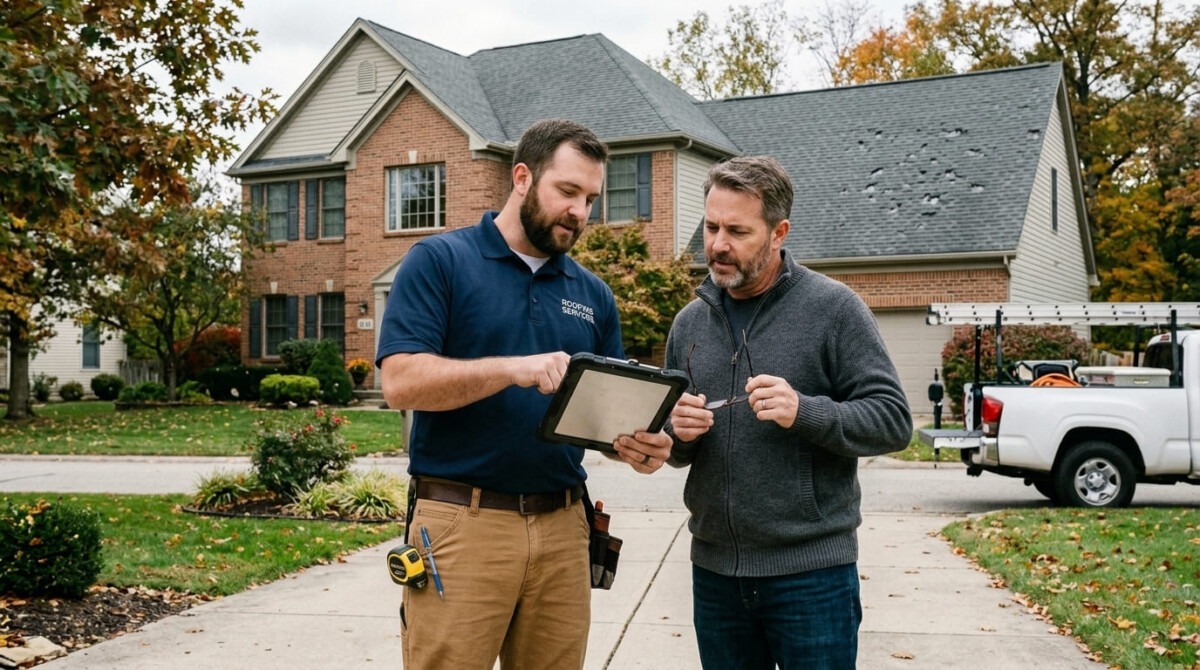
Repair or Replace? How to Decide What Your Roof Really Needs
Repair or replace your roof based on the extent of the damage, roof age, and long-term cost. Minor damage may need repair, while major damage often needs replacement.
Small damage like a few shingles can be repaired. This works when the roof is still in good condition. Widespread damage often needs full replacement. Repairs may fail if damage is across many areas. Insurance claims often cover replacement when damage is severe. You may only pay the deductible.
| Option | Best For | Outcome |
| Repair | Minor damage | Short-term fix |
| Replacement | Severe damage | Long-term solution |
The right choice depends on how much damage your roof has and how long you plan to keep it. A quick repair may save money now, but it may not last.
Focus on long-term value. Make sure your roof stays strong and protects your home without repeated issues.
You May Also Want to Read
You may also want to read:
- Signs You Need Roof Repair After a Storm
https://relentlessroofingco.com/signs-you-need-roof-repair-after-a-storm/ - File a Wind or Hail Claim on an Old Roof — What You Need to Know
https://relentlessroofingco.com/file-wind-or-hail-claim-on-a-old-roof
Conclusion
Hail damage can turn into serious roof problems if left unchecked. Acting early helps you avoid leaks, water damage, and higher repair costs. A reliable roofing contractor helps you assess damage, handle the insurance claim, and complete the work correctly. This keeps the process simple and stress-free.
Take your time before choosing a roofer. Check reviews, confirm credentials, and understand the scope of work. This way, you protect your home and avoid future issues.
FAQs
1. How do I know if my roof has hail damage or normal wear?
Hail damage shows as dents, cracked shingles, or granule loss, while normal wear appears as gradual aging. A roofing contractor can inspect your roof and confirm the difference, which is important for your insurance claim.
2. Should I call my insurance company or a roofing contractor first after a hail storm?
It is best to call a roofing contractor first. They can inspect the roof and confirm hail damage before you file a claim, helping you avoid unnecessary claims or rejection.
3. Does insurance cover hail damage roof repair or replacement?
Most insurance policies cover hail damage if it affects the function of the roof. The coverage depends on your policy, deductible, and the extent of the damage confirmed by the adjuster.
4. How much does it cost to repair or replace a hail-damaged roof?
Costs vary based on roof size, material, and damage level. Repairs may cost a few hundred dollars, while full replacement can cost several thousand, often covered by insurance minus your deductible.
5. What are red flags when choosing hail damage roofing contractors?
Red flags include high-pressure sales, unclear contracts, no license, and promises to cover deductibles. Always choose a contractor with good reviews, proper documents, and clear communication.