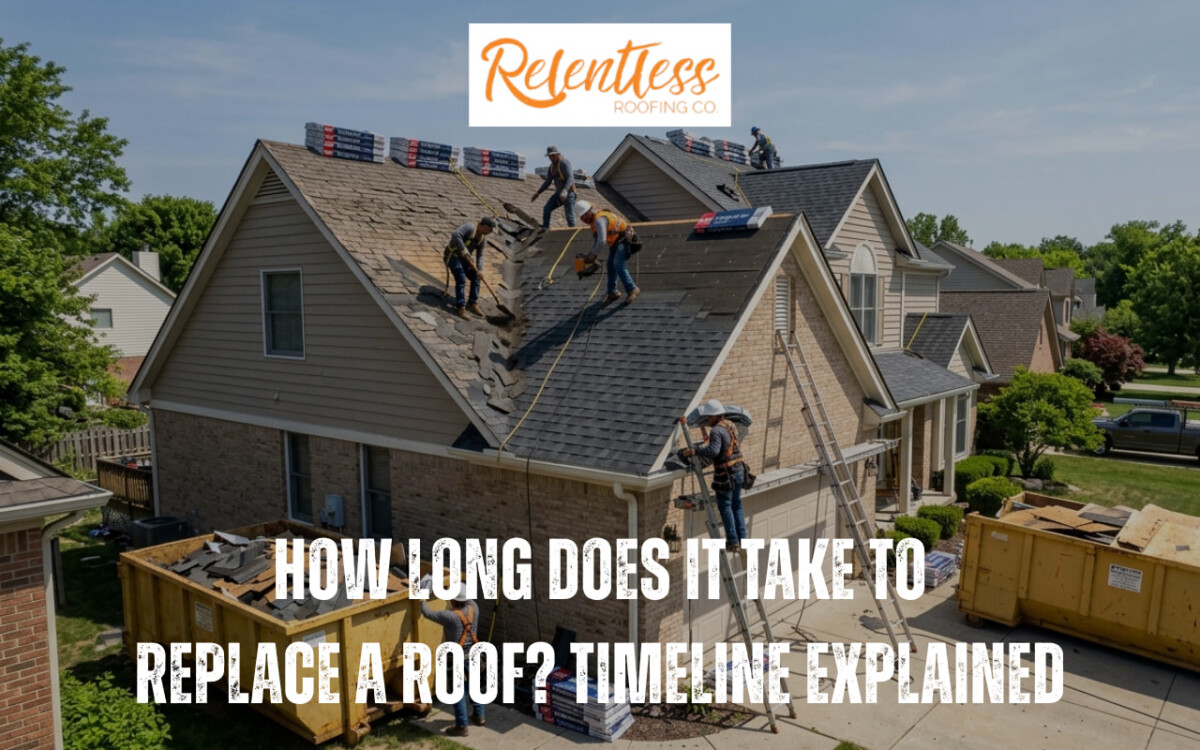
Most homeowners asking how long does it take to replace a roof need a clear planning answer. A standard asphalt shingle roof often takes 1–3 days once work starts. The full roof replacement timeline can take longer when you include inspection, scheduling, material delivery, permits, weather, and final cleanup.
Introduction
Replacing a roof can feel like a big home improvement project because it affects your schedule, driveway, yard, attic, and daily routine. The good news is that many residential roof replacements move faster than homeowners expect once the roofing crew arrives.
Still, the installation days are only one part of the full roof replacement process. Before the first shingle comes off, your roof usually needs an inspection, an estimate, material selection, and scheduling. Some areas may also need a building permit or final inspection.
This guide explains how long roof replacement takes from start to finish. You will learn what happens each day, what can cause delays, how roofing material changes the timeline, and how to prepare your home before roof installation begins.
Key Takeaway
Most roof replacements take 1–3 days once the crew starts work, especially for an average asphalt shingle roof. The full roof replacement project can take longer because inspection, material ordering, permits, and scheduling happen before installation day.
Key points to know:
- A small, simple roof may be replaced in 1 day.
- An average asphalt shingle roof often takes 1–3 days.
- Larger homes, steep roofs, decking repairs, and specialty roofing material can take longer.
- Weather conditions, crew size, roof design, and old roof layers can affect the timeline.
- A faster job is fine when the crew follows the right roof replacement process.
The best way to plan is to match your home to a realistic timeline band.
How Long Does It Take to Replace a Roof on an Average Home?
On an average home, it usually takes 1–3 days to replace a roof after the roofing crew arrives. This range often applies to asphalt shingles, one old roof layer, normal roof pitch, good access, and no major roof deck damage found during tear-off.
A simple one-story home with a clear roof design may be finished in 1 day. A larger home with valleys, skylights, dormers, chimneys, or steep sections may need 2–3 days. These details slow the crew because flashing, cuts, safety setup, and cleanup take more time.
The full roof replacement timeline can be longer than the installation time. A roof inspection, estimate, material delivery, permit approval, and contractor scheduling may add days or weeks before roof work starts. That is why one contractor may say “three days,” while another explains the full project timeline from first visit to final walkthrough.
Roof Replacement Timeline Bands: Which One Fits Your Home?
A roof replacement timeline band helps you avoid guessing. Instead of asking for one fixed number, match your roof to the type of project it looks like. Size, roof design, material, old roof layers, and decking condition all help decide the most realistic range.
| Timeline Band | Best Fit | Common Roof Type | Typical Duration |
| Same-Day Simple Roof Replacement | Small home, simple roofline, easy access | Asphalt shingles | 1 day |
| Standard 1–3 Day Roof Replacement | Average home, one old layer, limited repairs | Asphalt shingle roof | 1–3 days |
| Extended 4–5 Day Roof Replacement | Larger homes, steep pitch, valleys, repairs | Asphalt or mixed roofing details | 4–5+ days |
| Specialty 1–2 Week Roof Replacement | Heavy, detailed, or slower systems | Metal roofing, tile roofing, slate, flat roofing | 1–2 weeks |
This band system also helps you compare quotes. If your roof has a steep pitch, multiple valleys, damaged decking, and skylights, a one-day promise may need more questions. If your roof is small and simple, a one-day roof replacement may be normal.
What Is the Typical Roof Replacement Timeline From Inspection to Cleanup?
The typical roof replacement timeline follows a clear order. Each step protects the home, prepares the roof system, and helps the crew avoid mistakes during installation.
- Roof inspection and estimate: A roofer checks the roof surface, flashing, roof deck clues, leaks, attic signs, ventilation, and access points.
- Material selection and scheduling: You choose shingles, metal roofing, tile, or another roofing material. The contractor confirms delivery and sets the work date.
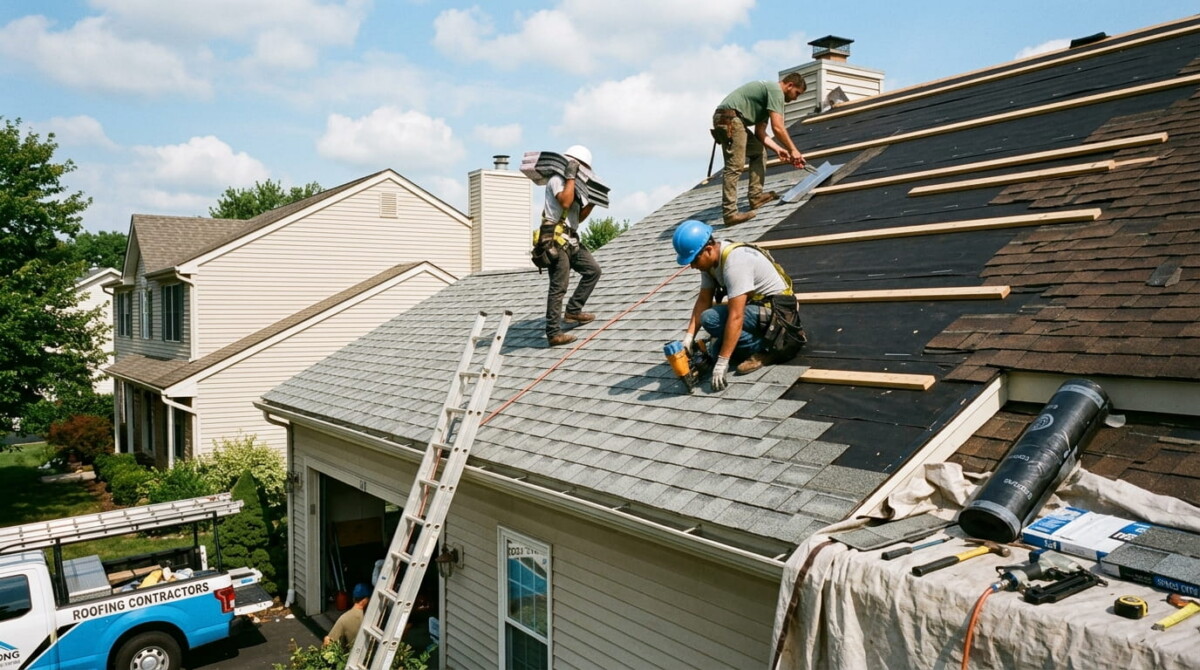
- Crew arrival and site setup: The crew places tarps, protects landscaping, sets ladders, stages materials, and prepares the dumpster area.
- Removing the old roof: The old roof is torn off. This is often the loudest part of the project.
- Deck inspection and repairs: The crew checks plywood or sheathing for rot, soft spots, and water damage.
- Underlayment, flashing, and new roof installation: Underlayment, drip edge, flashing, shingles, vents, and ridge caps are installed.
- Cleanup and final walkthrough: Debris is removed, nails are collected, gutters are checked, and the finished roof is reviewed.
Can a One-Day Roof Replacement Really Be Done in One Day?
Yes, a one-day roof replacement can be done when the roof is simple, the crew is well organized, and no hidden damage appears after tear-off. This is most common with smaller asphalt shingle roofs, one old layer, clear weather, and easy access around the home.
A fast roof replacement is not automatically a bad sign. Many professional roofing crews can work quickly because they bring enough people, materials, safety gear, and equipment. Good speed looks planned. The crew protects the yard, checks the roof deck, installs underlayment correctly, handles flashing with care, and cleans the property before leaving.
Speed becomes a concern when important steps are skipped. Warning signs include poor site protection, no clear deck inspection, sloppy flashing around chimneys or skylights, exposed areas left without proper cover, or rushed cleanup. A one-day job should still follow the full roof replacement process.
What Factors Affect the Timeline for Roof Replacement?
Several roof and site conditions can affect the timeline for roof replacement. These factors explain why two homes with similar square footage may take different amounts of time.
- Roof size and square footage: A larger roof has more old material to remove, more new materials to install, and more debris to clean.
- Roof pitch and safety needs: A steep roof slows movement because the crew needs safer footing and fall protection.
- Valleys, dormers, skylights, and chimneys: These areas need detailed cuts, flashing, sealing, and careful inspection.
- Number of old roofing layers: More layers mean slower tear-off, heavier debris, and more disposal time.
- Decking damage after tear-off: Rotten or soft roof deck sections must be repaired before the new roof is installed.
- Weather, crew size, and permits: Rain, wind, heat, short daylight hours, small crews, and local approval steps can add time.
These factors can move a roof from a standard 1–3 day project into an extended timeline.
How Does Roofing Material Change Installation Time?
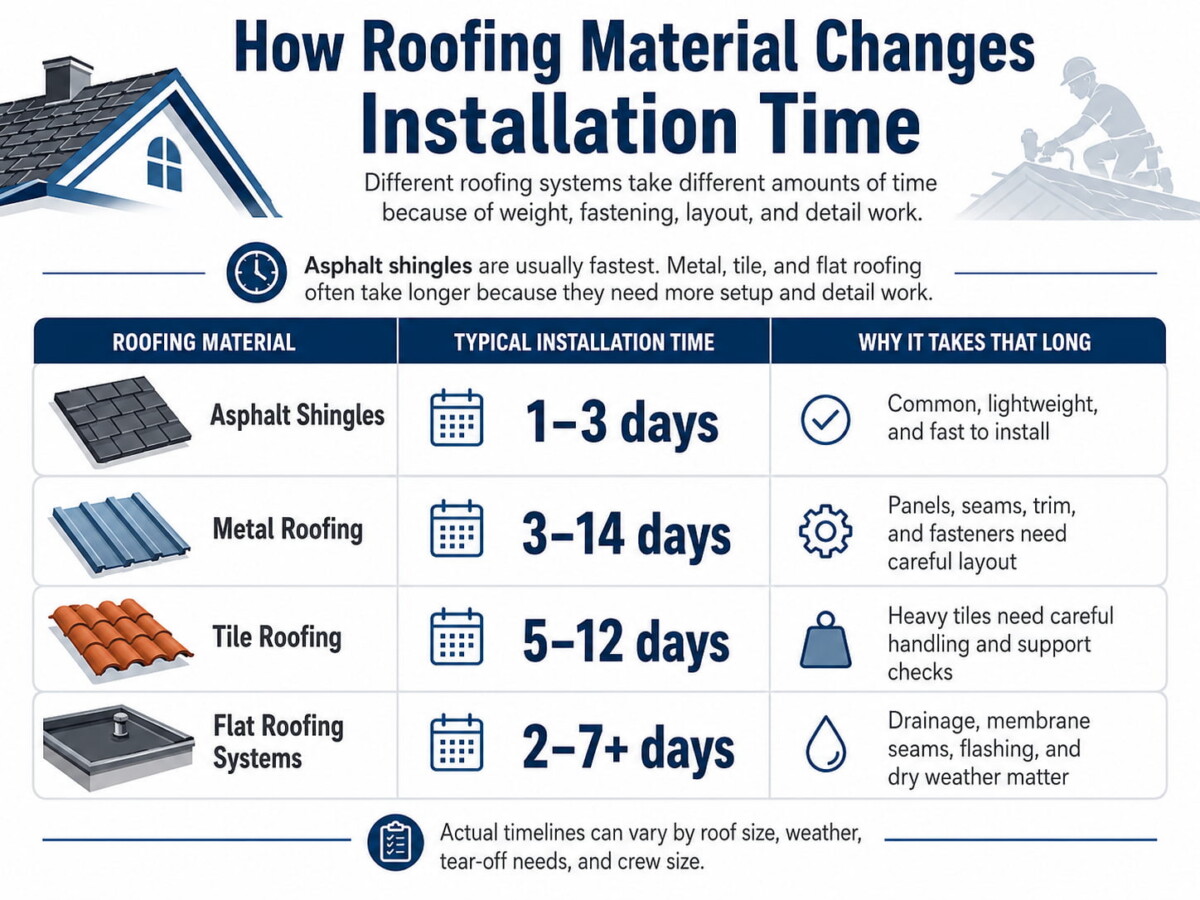
Roofing material changes installation time because each system has different weight, fastening needs, layout rules, and detail work. Asphalt shingles are usually fastest. Metal roofing, tile roofing, and flat roofing systems often take longer because they need more careful handling and setup.
| Roofing Material | Typical Installation Time | Why It Takes That Long |
| Asphalt shingles | 1–3 days | Common, lightweight, and fast to install |
| Metal roofing | 3–14 days | Panels, seams, trim, and fasteners need careful layout |
| Tile roofing | 5–12 days | Heavy tiles need careful handling and support checks |
| Flat roofing systems | 2–7+ days | Drainage, membrane seams, flashing, and dry weather matter |
Material choice also affects cleanup, staging, and crew needs. A simple asphalt shingle roof can move quickly because the process is familiar and materials are easy to handle. A tile or metal roof may last longer, but the installation time is often longer because the work is more detailed.
What Happens During the Roof Replacement Process Each Day?
During a roof replacement, each day has a clear job. The first day usually brings the most noise because the old roof is removed. The next stage focuses on repairs, underlayment, and installing the new roof system. Final work covers details, cleanup, and inspection.
Day 1: Setup, Tear-Off, and Roof Deck Check
The crew protects the property, moves materials into place, and removes old shingles or other roofing material. After tear-off, they inspect the roof deck for soft wood, rot, water damage, and weak areas.
Day 2: Repairs, Underlayment, and Main Installation Work
If repairs are needed, damaged plywood or sheathing is replaced first. Then the crew installs underlayment, drip edge, flashing, and the main roofing material.
Day 3 or Later: Flashing, Ridge Caps, Cleanup, and Inspection
The crew finishes detail work around vents, chimneys, skylights, valleys, and ridges. Cleanup should include debris removal, gutter checks, magnetic nail sweep, and a final walkthrough.
What Can Make Roof Work Take Longer Than Expected?
Roof work can take longer than expected when hidden problems appear or outside conditions change. Some delays are visible before work starts. Others only appear after the old roof is removed.
| Problem | Cause | What Homeowners Should Expect |
| Rotten or soft roof decking | Old leaks or trapped moisture | Extra plywood or sheathing replacement |
| Multiple shingle layers | Past roof work installed over old material | Slower tear-off and more debris |
| Rain, wind, heat, or short daylight | Unsafe or poor working conditions | Delay, reschedule, or temporary dry-in |
| Material backorders | Specialty color, metal, tile, or supplier delay | Longer wait before installation |
| Access problems | Cars, gates, fences, trees, or tight spaces | Slower setup and cleanup |
These issues do not always mean the contractor planned poorly. A good roofing contractor explains the delay, protects the home, and gives a clear next step.
How Should You Prepare Your Home Before Roof Installation?
Prepare your home before roof installation by clearing access, protecting fragile items, and planning for noise. A little prep can help the crew work faster and reduce stress inside the home.
Use this day-before and day-of checklist:
- Move cars out of the driveway before the crew arrives.
- Clear patio furniture, grills, toys, planters, and outdoor décor near the home.
- Open gates and give the crew clear access around the house.
- Cover attic items with sheets or tarps to protect them from dust.
- Remove fragile wall décor because roof work can cause vibration.
- Move pets to a quiet room, daycare, or another safe place.
- Tell neighbors about the roof work if homes are close together.
- Confirm the best phone number for quick decisions during the project.
- Ask where the dumpster, materials, and crew vehicles will be placed.
Good preparation prevents small delays, such as locked gates, blocked driveways, or items left too close to falling debris zones.
How Do You Choose a Professional Roofing Contractor for Efficient Roof Installation?
Choose a professional roofing contractor by asking questions that reveal how they plan, communicate, and protect your home. . Efficient roof installation is not just about speed. It is about doing the right work in the right order without leaving gaps, mess, or confusion.
Ask these questions before signing:
- What does your timeline include?
Ask whether the estimate covers only installation days or the full roof replacement project. - Have you confirmed material availability?
This helps prevent delays after you choose shingles, metal roofing, or tile roofing. - Do I need a permit or final inspection?
Permit rules vary by location, so the contractor should explain the local process. - What happens if rain starts during roof work?
A good roofer should explain dry-in steps, tarps, and weather decisions. - What are your cleanup standards?
Ask about nail sweeps, gutters, debris removal, and the final walkthrough.
Clear answers show that the contractor respects your time and your home.

Conclusion
Most homeowners can expect a standard asphalt shingle roof replacement to take 1–3 days once installation begins. A simple roof may take 1 day. A larger, steep, damaged, or specialty roof may take several days or longer.
The full roof replacement timeline includes more than installation. Inspection, material ordering, permits, weather, scheduling, tear-off, deck repairs, underlayment, flashing, cleanup, and final inspection all play a role.
The best plan is to think in timeline bands. Match your roof to its size, material, design, and condition. Then choose a roofing contractor who explains the process clearly before work begins.
You May Also Want to Read
You may also want to read:
- Anatomy of a Roof: 27 Essential Parts of a Roof – A Complete Guide to Roof Anatomy
https://relentlessroofingco.com/anatomy-of-a-roof/ - Quick Tips: What to Check After Roofers Installed New Roof
https://relentlessroofingco.com/quick-tips-what-to-check-after-roofers-installed-new-roof/
FAQs
How long does it take to remove and install a new roof?
Most asphalt shingle roofs take 1–3 days to remove and install after work starts. A small, simple roof may take 1 day. Larger homes, steep pitch, multiple old layers, roof deck repairs, metal roofing, tile roofing, or bad weather can make the roof replacement take longer.
Can you stay in your house while the roof is being replaced?
Yes, most homeowners can stay home during roof replacement. Expect loud noise, vibration, workers around the house, and driveway disruption. If you work from home, have pets, or have small children, plan for a quieter space during tear-off and shingle installation.
How long does it take to tear off an old roof?
Tearing off an old roof often takes several hours to 1 full day. The time depends on roof size, roof pitch, roofing material, and number of old layers. Multiple shingle layers, steep sections, or heavy materials can slow removal and add cleanup time.
What is the 25% rule in roofing?
The 25% rule usually refers to local code or insurance rules about how much roof area can be repaired before replacement may be required. Rules vary by location. Homeowners should ask a roofing contractor or local building department before deciding between roof repair and roof replacement.
How far in advance should I schedule a roof replacement?
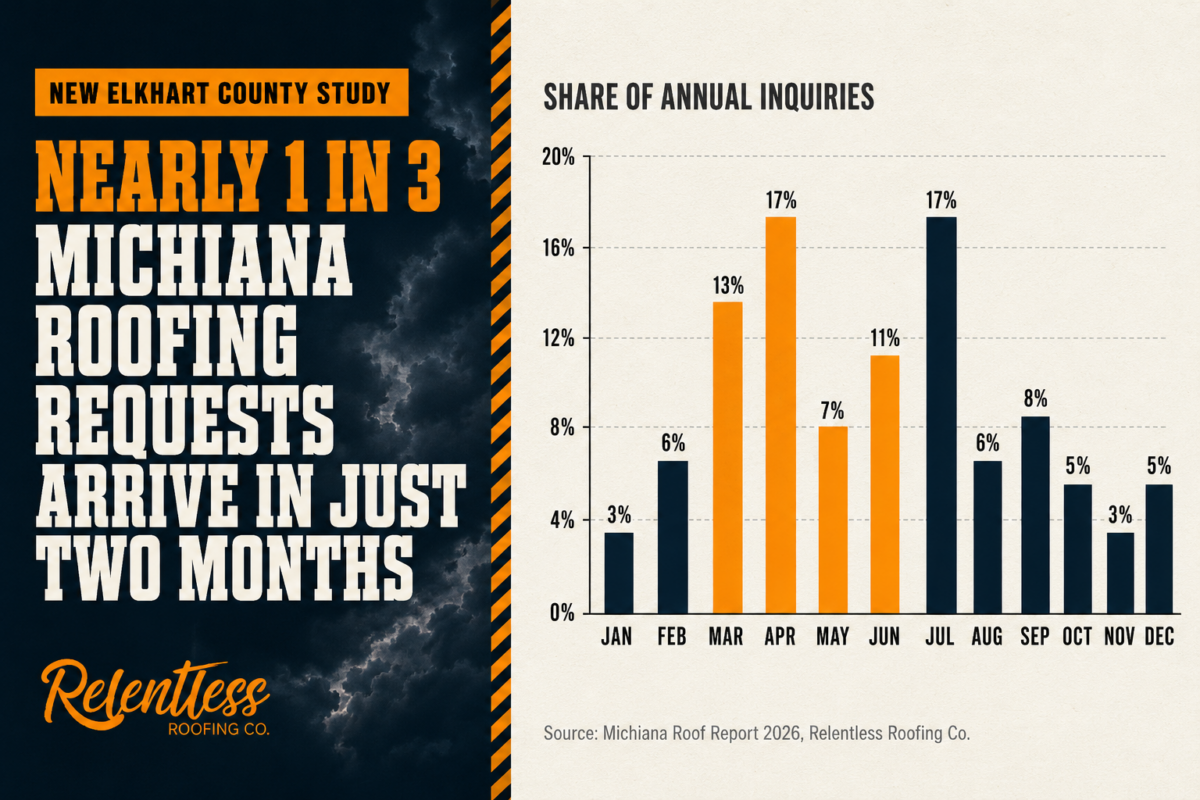
Schedule a roof replacement as early as possible if your roof is aging, leaking, or showing damage. Roofing companies may book ahead during spring through early fall. Start with a roof inspection first, then ask about material lead times, permit needs, and the likely installation window.
How Do I Know When My Roof Was Last Replaced ?
To find out when your roof was last replaced, start by checking your home records, including roofing invoices, warranty papers, permits, inspection reports, insurance claims, or seller disclosure documents. If you cannot find any paperwork, ask a roofer to inspect the shingles, flashing, ventilation, nail patterns, and visible wear signs to estimate the roof’s age.