Introduction
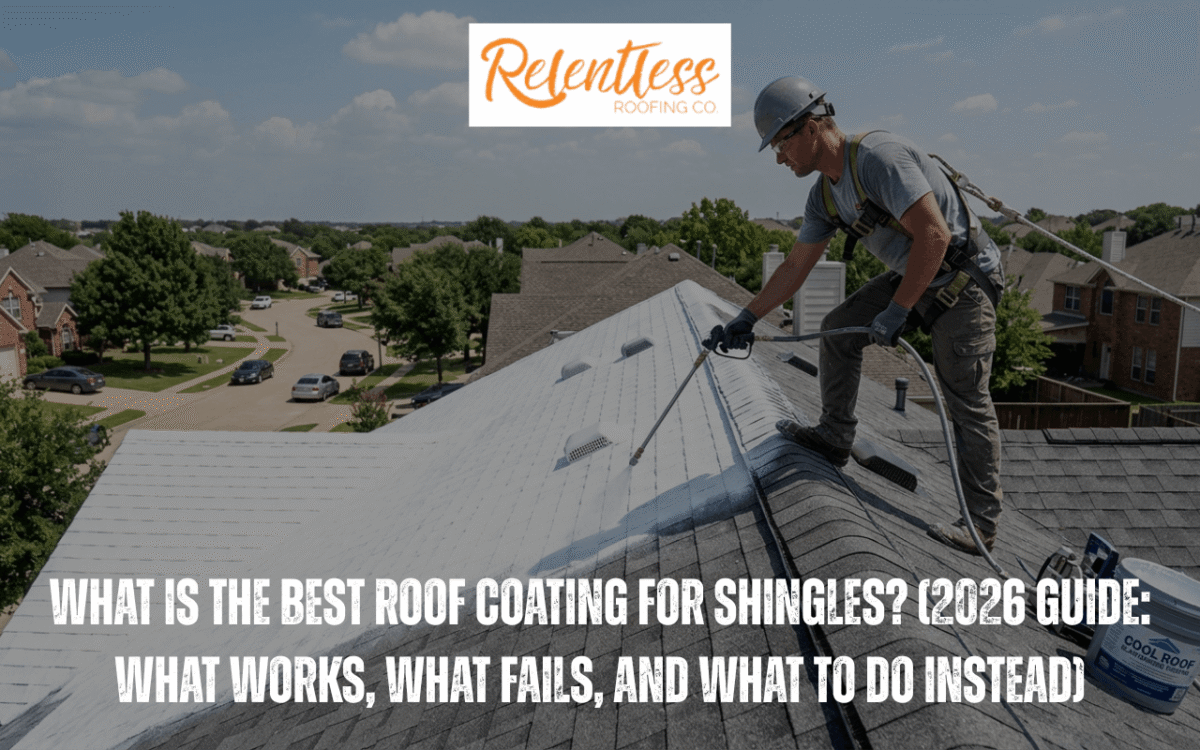
Most homeowners search for the best roof coating because they want to avoid a full roof replacement. That makes sense. A new asphalt shingle roof can cost thousands, and a coating sounds like a quick fix. But here’s the truth. Not every shingle roof should be coated. In many cases, applying the wrong coating can trap moisture, damage shingles, or even void your warranty.
This guide helps you make the right call. You’ll learn when a roof coating works, when it fails, and what better options exist. The goal is simple. Help you avoid wasting money and protect your home the right way.
Key Takeaway
- The best roof coating for shingles is not a specific product. It depends on your roof’s condition.
- Many shingle roofs should not be coated at all due to risk of damage or trapped moisture.
- Always start with a proper roof inspection before making any decision.
- Choose the right path based on findings: repair, rejuvenation, or full replacement.
- Roof coating is only a limited solution, not the default fix for every roof.
First Decision: Should You Even Apply a Roof Coating on Asphalt Shingles?
No, most asphalt shingle roofs should not be coated unless a manufacturer clearly allows it and the roof is in the right condition. Industry groups like the Asphalt Roofing Manufacturers Association (ARMA) warn that coatings can damage shingles, affect fire ratings, and trap moisture.
Definition Block:
A roof coating is a liquid-applied layer that forms a surface film over roofing materials to protect against water, UV rays, and weather.
Many homeowners think coating is a safe upgrade. It is not always true.
Coating Fit Test (Answer Yes/No)
- Is your roof still under manufacturer warranty?
- Do you have multiple leaks across the roof?
- Are shingles curling, brittle, or losing granules?
- Is the roof older than 15–20 years?
- Do you know the condition of the roof deck underneath?
If you answered yes to any, coating is risky.
Why coatings can fail on shingles
They can trap moisture under overlapping shingles, which leads to hidden damage. They may cause granule loss or curling over time, especially under heat. They can change fire rating (Class A/B/C) under UL 790 standards, which affects safety compliance. They often void manufacturer warranties, leaving you without coverage if issues arise.
What this means:
“The best coating for many shingle roofs is no coating at all.”
Instead, you may need repair, rejuvenation, or replacement.
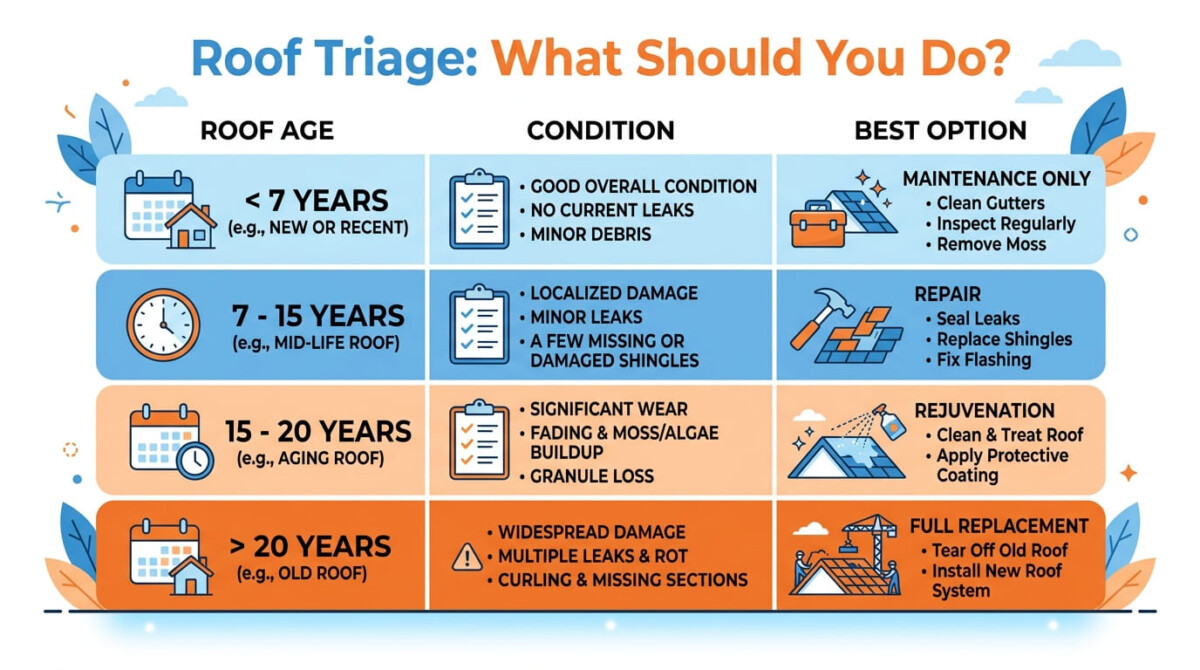
Roof Triage System: Is Your Shingle Roof Worth Coating or Ready for Replacement?
You should only consider coating if your roof is in mid-life condition and structurally sound. If your roof is near failure, coating will not solve the problem.
Roof Triage Matrix
| Roof Age | Condition | Best Option |
| 0–10 years | Good | Maintenance only |
| 10–15 years | Minor wear | Repair or rejuvenator |
| 15–20 years | Moderate wear | Rejuvenator or limited patching |
| 20+ years | Heavy wear | Full replacement |
Real-world example
A 2,000 sq ft roof: Coating cost ranges from ~$2,000–$5,000, while replacement cost ranges from ~$8,000–$12,000 — and how long roofs last in Indiana plays a direct role in deciding which option gives you the best value. If coating lasts only 3–5 years, the cost per year may be worse than replacing.
Definition Block:
Roof triage means evaluating your roof’s age, condition, and structure before choosing repair, coating, or replacement.
Key Signs Your Roof Should NOT Be Coated
- Soft or rotting decking
- Widespread granule loss
- Multiple active leaks
- Previous patch layers everywhere
What this means:
“Coating a failing roof delays the problem but increases total cost later.”
Understanding Your Options: Sealant vs Full Roof Coating vs Rejuvenator
Most homeowners confuse these three options, but each serves a different purpose. Choosing the wrong one leads to poor results and wasted money.
Patch Sealants for Small Roof Repairs
Patch sealants are used for small, targeted fixes. They work best around vents and flashing, small cracks or nail holes, and localized leaks. Common products include asphalt cement, roof sealant, and Sashco Through the Roof.
Best use: quick repairs in specific areas, not full roof coverage.
Full-Surface Roof Coatings for Shingles
These are liquid coatings applied across the entire roof surface. Common types include acrylic coating, elastomeric coating, and silicone coating. They aim to form a protective layer over shingles.
The issue is that shingles are layered systems, not flat surfaces like metal or flat roofs. This limits how well coatings perform and increases the risk of trapped moisture.
Roof Rejuvenation Treatments (Like Roof Maxx)
Rejuvenators are oil-based treatments that soak into shingles instead of sitting on top, and understanding how much roof rejuvenation costs compared to coating helps you decide if this gentler approach fits your budget. They help restore flexibility, slow down cracking, and reduce brittleness without forming a surface film.
Definition Block:
A roof rejuvenator is a penetrant treatment that restores oils in aging asphalt shingles instead of coating the surface.
Quick Comparison
| Option | Use Case | Risk Level |
| Sealant | Small repairs | Low |
| Coating | Full coverage | High |
| Rejuvenator | Aging shingles | Medium |
What this means:
“The right choice depends on your roof condition, not the product label.”
Comparing Roof Coating Types for Shingles (Acrylic vs Silicone vs Elastomeric)
There is no single best roof coating for shingles. Each type performs differently, and the wrong choice can create more problems than it solves.
Comparison Table
| Coating Type | Strength | Weakness | Fit for Shingles |
| Acrylic coating | Reflects UV heat | Poor resistance to standing water | Limited use |
| Silicone coating | Strong water resistance | Slippery surface, difficult to recoat | Rarely suitable |
| Polyurethane | High durability and impact resistance | Higher cost, mainly for commercial use | Not typical |
| Elastomeric coating | Flexible and reflective | Sensitive to application thickness | Sometimes used |
Key factors for shingles
Breathability matters. Shingles rely on airflow to release trapped moisture, and coatings can block that process. Thickness matters. Applying too much coating can seal the surface and trap moisture underneath. Slope matters. Steeper roofs shed water differently, which affects how coatings perform over time.
Many coatings are designed for flat or low-slope roofs. Shingle systems work differently, so results are often inconsistent.
Insight:
“A coating that works on flat roofing can fail on shingles due to how water moves between layers.”
Important check
Before choosing any coating, confirm manufacturer approval to avoid warranty issues. Check local building codes to ensure compliance. Verify that the coating does not affect the roof’s fire rating or safety classification.
What this means:
“The best coating is the one your roof system is built to handle.”
Cost Breakdown: Roof Coating vs Rejuvenation vs Full Roof Replacement
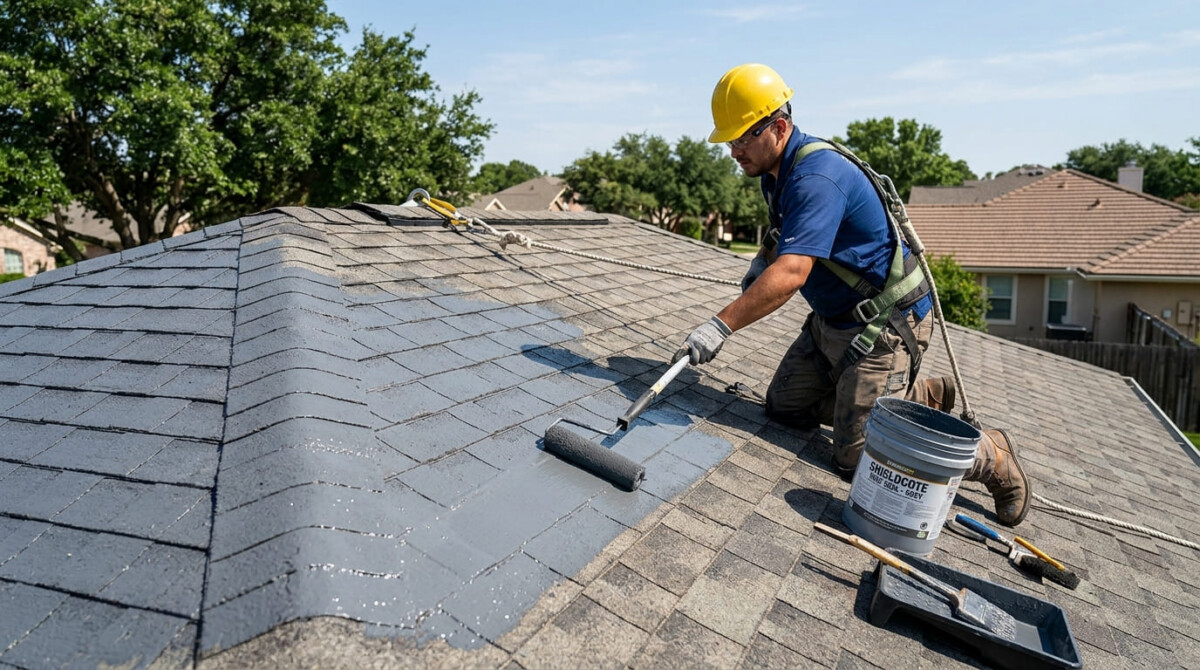
Roof coating may seem affordable at first, but the smarter way to compare options is by looking at lifespan and cost per year, not just the upfront price.
Cost Comparison
| Option | Cost per sq ft | Lifespan | Cost per year |
| Coating | $1–$4 | 3–7 years | Medium |
| Rejuvenator | 15–30% of replacement | 5–15 years | Low |
| Replacement | $5–$7.5 | 20–30 years | Lowest long-term |
Example (2,000 sq ft roof)
- Coating: ~$3,000 lasting 5 years → $600/year
- Replacement: ~$10,000 lasting 25 years → $400/year
Key takeaway
Cheap does not always mean better.
Insight:
“Cost per remaining year is the only number that matters.”
Hidden costs of coating
- Reapplication cycles
- Repairs under coating
- Inspection failures
What this means:
“A cheap coating can become an expensive mistake.”
Climate, Roof Slope, and Local Codes: Where Roof Coatings Work (and Where They Fail)
Roof coatings may work in certain climates but fail in others.
Climate impact
- Hot climates → coatings reflect UV and reduce heat
- Cold climates → risk of trapped moisture and ice damage
- Humid areas → mold and mildew risk increases
Roof slope matters
- Flat roofs → coatings work well
- Steep shingle roofs → higher risk of failure
Code and safety factors
- Fire ratings (Class A, B, C) can change after coating
- Standards like UL 790 and ASTM E108 apply
- Local building departments may restrict coatings
HOA and insurance
- Some HOAs do not allow coated shingles
- Insurance may question modified roof systems
Insight:
“Once coated, your roof is no longer the tested system it was built as.”
What this means:
“Always check local rules before applying any coating.”
When DIY Roof Coating Goes Wrong (and When to Call a Professional Roofer)
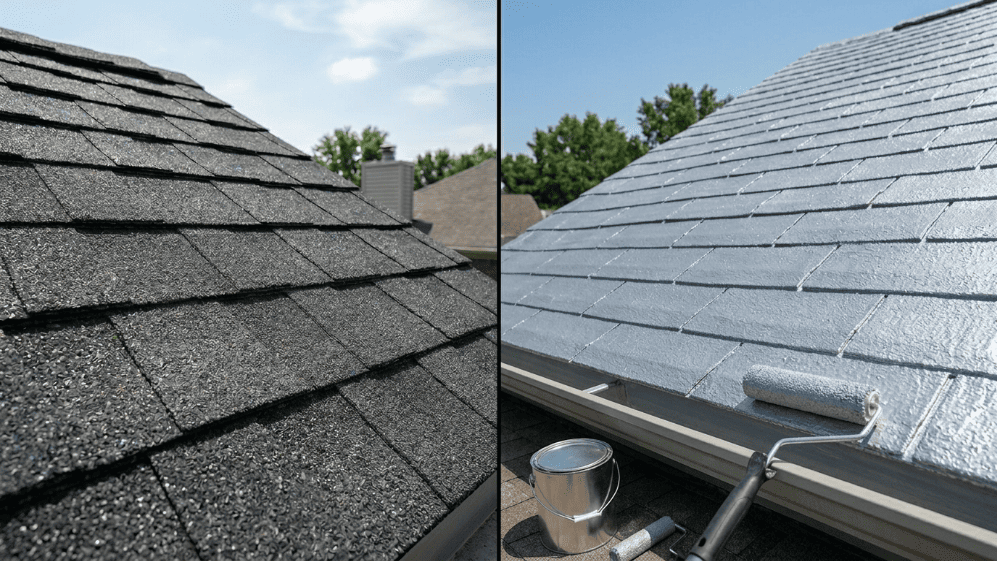
DIY coating often fails because homeowners miss hidden issues.
Common DIY mistakes
Applying coating over wet shingles leads to poor adhesion and early failure. Ignoring damaged flashing allows water to keep entering even after coating. Using layers that are too thick or uneven creates cracks and weak spots. Coating over structural damage hides the problem but does not fix it.
What professionals check
Professionals inspect the roof deck condition to ensure there is no rot or weakness. They check the underlayment to confirm it is still intact. They review the ventilation system because poor airflow can trap moisture. They also trace the leak source instead of treating only the surface.
When to call a professional
Call a professional if there are multiple leaks across the roof. If the roof is older than 15 years, it needs proper evaluation before any coating. If the roof condition is unknown, especially after severe weather, learning to spot signs of roof damage after a storm before calling a professional can help you ask the right questions. If past repair attempts have failed, the issue is likely deeper than the surface.
When to consider extra support
If your roof shows mixed damage signs, a professional inspection can help you avoid the wrong fix and unnecessary cost.
Insight:
“A coating hides problems. An inspection finds them.”
Conclusion
Roof coatings can work in specific cases, but they are not a reliable fix for most asphalt shingle roofs. Many homeowners choose coating to save money, but without proper evaluation, it often leads to higher costs later.
Start with a clear understanding of your roof’s condition, then weigh whether repair or full replacement makes more financial sense before considering any coating. Then choose the option that supports long-term performance, whether that is repair, rejuvenation, or full replacement. In many situations, these options provide better value than coating.
If you are unsure, get a professional inspection from our team to help you avoid costly mistakes and choose the right solution from the start. It helps you avoid costly mistakes and choose the right solution from the start.
You May Also Want to Read
You may also want to read:
- How Much a New Roof Costs in Indiana and What Affects the Price
https://relentlessroofingco.com/indiana-roof-replacement-cost-2026/ - Why Asphalt Shingles Remain a Reliable Choice for Most Homeowners
https://relentlessroofingco.com/why-asphalt-shingles-are-always-a-good-choice-for-your-roofing-needs/
FAQs
1. Can you put a roof coating on asphalt shingles safely?
Yes, but only when the manufacturer allows it and the roof is in good condition. If not, coating can trap moisture, damage shingles, and void warranties.
2. What is the best roof coating for shingles in real-world use?
There is no single best option. Elastomeric and acrylic coatings are used in some cases, but only when the roof condition, slope, and manufacturer guidelines support it.
3. Does roof coating really extend the life of your shingles?
It can add a few years in limited cases, but it does not restore damaged shingles. Most coatings only delay replacement rather than prevent it.
4. Is roof coating cheaper than roof replacement long term?
No, not always. Roof replacement often costs less per year because it lasts longer and avoids repeated repairs or re-coating.
5. Can roof coating fix leaks on a shingle roof?
No. Coating may seal minor surface gaps, but it does not fix root issues like damaged flashing, underlayment failure, or roof deck problems — for those, professional roof leak repair is the only reliable solution.