Introduction
Roof replacement costs are rising. Insurance companies are stricter. Energy bills keep climbing. Choosing between a metal roof vs asphalt shingles is no longer just about looks. It is about long-term money and protection.
Many homeowners focus only on upfront cost. For a full state pricing breakdown, see our guide on roof replacement cost in Indiana in 2026 before comparing materials. But over 30 years, the difference between a metal roof and an asphalt shingle roof can reach $15,000 or more. That gap comes from replacement cycles, repairs, energy efficiency, and resale value.
This guide breaks it down clearly. You will see cost comparison tables, lifespan data, installation factors, and long-term savings. If you are planning a new roof, this is the decision framework you need.
Metal Roof vs Asphalt Shingles: What’s the Real Difference in Materials, Structure, and Design?
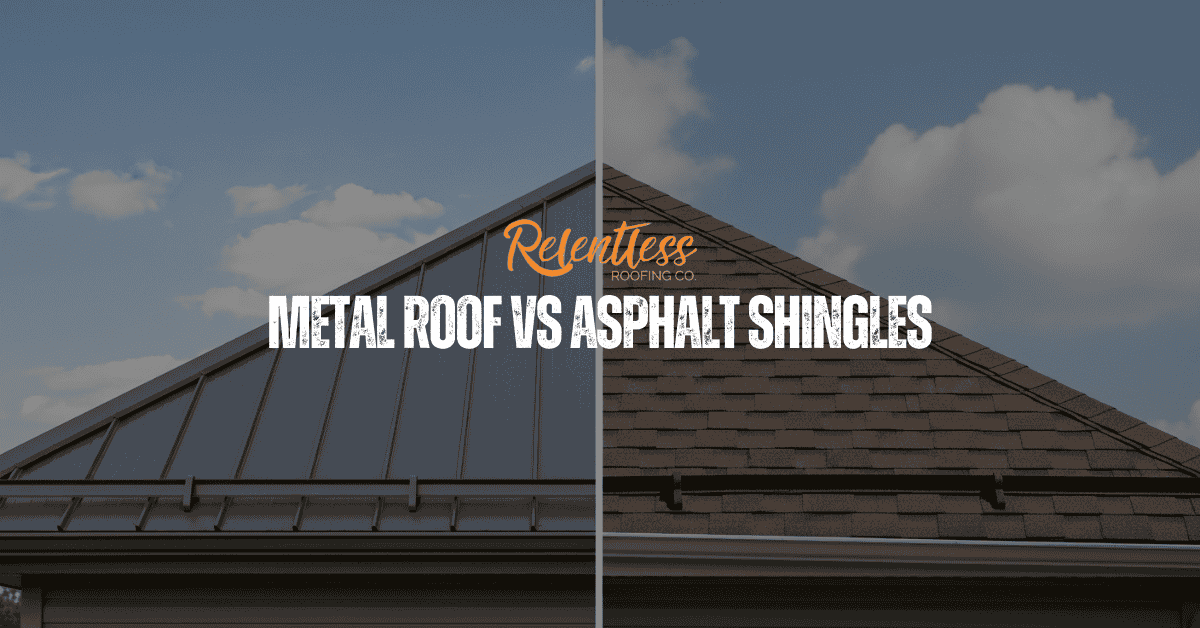
Before talking about price, you must understand what you are actually buying. A metal roof and an asphalt shingle roof are built very differently.
What Is a Metal Roof?
A metal roof is made from durable metal materials such as steel, aluminum, zinc, or copper. Popular styles include:
- Standing seam metal with vertical interlocking seams
- Metal panels attached with concealed fasteners
- Metal shingle systems designed to look like traditional asphalt shingles
Metal roofing panels are attached to the roof deck using clips or fasteners. Many systems are installed over underlayment and sometimes over existing shingles, depending on code.
What Is an Asphalt Shingle Roof?
An asphalt shingle roof uses layered shingles made from fiberglass and asphalt. Common types include:
- 3-tab shingles (basic and budget-friendly)
- Premium asphalt shingles (architectural style)
- Traditional asphalt shingles used on most homes
Shingles are nailed directly to the roof deck in overlapping rows.
Side-by-Side Comparison
| Feature | Metal Roof | Asphalt Shingle |
| Lifespan | 40–70+ years | 20–30 years |
| Weight | Lightweight panels | Heavier layered surface |
| Profile | Raised seams or metal panels | Flat layered shingles |
| Attachment | Clips or fasteners | Nailed to deck |
| Maintenance | Low | Moderate |
The structure alone explains why metal roofing stands apart in durability.
Pros and Cons of Metal Roof Systems vs Shingle Roof: What Most Homeowners Miss
Every roofing material has trade-offs. Let’s break down the pros and cons of metal and asphalt shingle options clearly.
Pros of a Metal Roof
- Long longevity (metal roof can last 40–70 years)
- Strong resistance to wind, hail, and fire
- Low maintenance over time
- Higher resale value
- Better long-term energy efficiency
Cons of Metal Roofs
- Higher upfront cost
- Can be noisy without proper insulation
- Requires experienced roofing contractor
- Expansion and contraction must be managed properly
Pros of Asphalt Shingle
- Lower upfront cost
- Easier roof installation
- Simple repairs
- Widely available materials
Cons of Asphalt Shingle Roof
- Shorter lifespan
- More vulnerable to storms
- Need to be replaced sooner
- Asphalt shingles often end up in landfills
Who wins?
If you plan to stay long term, metal roofing and asphalt comparisons often favor metal. If budget is tight short term, shingles remain practical.
How Long Do Metal Roofs Last Compared to Asphalt Shingles Over 30 Years?
A metal roof can last 40–70 years, and some metal roofing systems last even longer with proper installation. That means one metal roof may cover your entire ownership period without needing a full roof replacement.
Asphalt shingles typically last 20–30 years. In harsh climates with heat, hail, or heavy storms, an asphalt shingle roof may need major repairs earlier. Some homeowners replace an asphalt roof two times within 40 years.
Over a 30-year window, this matters. If your asphalt roof needs to be replaced twice, the cost doubles. That is where the savings gap appears. While metal roofing is more expensive upfront, its longevity reduces repeat labor, material waste, and disruption. When comparing metal vs traditional asphalt shingles long term, lifespan alone changes the financial math.
Cost of Metal Roofing vs Asphalt Shingles: Detailed 30-Year Cost Comparison Table
Upfront price often drives decisions.If you want a deeper breakdown of pricing variables, review our detailed guide on how much metal roofing costs. But long-term ownership cost tells the real story.
30-Year Cost Comparison
| Cost Factor | Metal Roof | Asphalt Shingle |
| Upfront Cost | $20,000–$40,000 | $10,000–$25,000 |
| Lifespan | 40–70 years | 20–30 years |
| Replacement Cycle | Likely once | May need twice |
| Maintenance | Low | Moderate |
| Energy Costs | Lower | Higher |
| Resale Value | Higher | Standard |
What the Numbers Show
- Upfront cost: Metal roofs cost more upfront.
- Roof replacement cycle: Asphalt shingles generally need to be replaced sooner.
- Energy efficiency savings: Metal reflects heat, lowering energy costs.
- Insurance savings: Some homes with metal roofs qualify for discounts.
When you add repeat replacement, repair, and cooling savings, the cost of metal roofing can actually save $15,000+ over 30 years.
Installing a Metal Roof vs Shingles: Is Roof Installation More Complex?
Installation plays a major role in long-term performance.
1. Installing a Metal Roof
- Requires skilled roofing contractor
- Uses interlocking metal panels or standing seam metal
- Fastening systems must allow expansion and contraction
- Installing metal correctly prevents leaks and noise
Metal roofing typically demands precision. Not every contractor specializes in metal roofing products.
2. Installing Asphalt Shingles
- Simpler process
- Shingles nailed in overlapping layers
- Faster installation timeline
- Easier repairs
For a straightforward roof design, asphalt shingles are simpler. For complex designs or long-term durability, many metal options hold up better.
In short, metal roofing vs shingles differs not just in material, but in installation expertise. Choosing the right roofing contractor is critical for either roofing option.
Energy Efficiency: Which Roofing Material Lowers Energy Costs Faster?
Energy efficiency plays a major role in the metal roof vs asphalt shingles decision, especially in hot climates where cooling costs rise every summer.
Metal Roof Energy Efficiency
- Reflective surface reduces heat absorption
- Many metal roofing systems use reflective coatings
- Metal roofing panels re-emit solar radiation
- Helps lower indoor temperature in summer
- Can reduce energy costs by 10–25% in warm regions
Asphalt Shingle Roof Performance
- Asphalt roof absorbs more heat
- Dark shingles increase attic temperature
- Premium asphalt shingles may include reflective granules
- Performance depends on ventilation and insulation
Mini Comparison Chart
| Feature | Metal Roof | Asphalt Shingle |
| Heat Reflection | High | Moderate to Low |
| Summer Cooling | Better | Warmer attic |
| Cold Climate | Neutral | Neutral |
| Energy Efficiency | Higher | Moderate |
Metal roofing vs shingles often favors metal in hot regions. In colder climates, savings are smaller. The difference is real, but it depends on where you live.
Metal Roof vs Asphalt Shingles in Bad Weather: Hail, Tornado, Snow & Fire Performance
When storms hit, your roofing material becomes your first line of defense. In the metal roof vs asphalt shingles debate, weather performance is one of the biggest deciding factors.
Hail & Impact Resistance
Metal roofing products often carry high impact ratings, especially steel-based systems. Many metal roofs hold up better against hail compared to asphalt shingles, which can crack or lose granules after repeated impact.
Do metal roofs dent? Yes, softer metal materials like aluminum may dent during large hailstorms. However, thicker steel panels and standing seam metal systems resist impact damage much better than traditional asphalt shingles.
Wind & Tornado Conditions
Standing seam metal roofing systems lock together with interlocking panels. This design helps prevent uplift during high winds.
Asphalt shingles can lift, curl, or tear off in strong winds, especially if they are aging or not installed correctly. In tornado-prone areas, metal roofing and asphalt performance differences become more noticeable. After severe weather, watch for the common signs you need roof repair after a storm before small damage spreads.
Fire Resistance
Most metal roofing systems carry a Class A fire rating, the highest available. Since metal is non-combustible, it does not ignite easily.
Traditional asphalt shingles can also achieve Class A fire resistance, but performance depends on the underlayment and roof installation quality.
Heavy Snow Performance
Metal roofing panels have smooth surfaces. Snow slides off more easily, reducing heavy load stress on the roof deck.
Shingle roofs often hold snow longer. Ice dams are also more common on asphalt shingle roofs in cold climates.
Bottom Line:
In extreme weather zones, metal roofs and asphalt shingles are not equal. Metal roofing typically offers stronger storm durability, better impact resistance, and improved performance in wind and snow.
Resale Value & Insurance: Does a Metal Roof Increase Home Value?
A roof is one of the first things buyers notice. Metal roofing and asphalt choices influence resale value.
Homes with metal roofs often attract buyers looking for longevity and lower maintenance. Many buyers see metal roofing as a premium roofing solution.
Resale and Insurance Benefits
- Metal roof may increase resale value
- Some insurers offer discounts for impact-resistant roofs
- Fire resistance improves underwriting appeal
- Long lifespan reduces buyer concerns
Why do some insurers question metal? In certain areas, repair cost after dents may be higher. Still, many metal roofs qualify for discounts.
ROI Summary:
While metal roofing is more expensive initially, long-term property value and insurance savings can offset that difference over time.
Sustainability & Environmental Impact: Which Roof Is Better for the Planet?
Environmental impact is often overlooked in roof replacement decisions.
Comparison Table
| Factor | Metal Roof | Asphalt Shingle |
| Recyclability | 100% recyclable | Often end up in landfills |
| Material Source | Often recycled metal materials | Petroleum-based |
| Roof-Over Option | Often possible over existing shingles | Tear-off required |
| Waste Volume | Lower over time | Tons of asphalt waste |
Key Environmental Points
- Metal roofing is often made from recycled metal materials
- Metal materials can be reused at end of life
- Asphalt shingles often end up in landfills
- Roof replacement cycles increase environmental cost
Over decades, replacing an asphalt roof two times creates more waste than one metal roofing system. Long-term sustainability often favors metal and asphalt comparisons in metal’s direction.
When Should You Choose a Metal Roof Instead of Shingles?
Choosing between shingles or metal depends on your situation. Use this decision checklist.
Choose a Metal Roof If:
- You plan to stay in your home 20+ years
- You live in high wind or wildfire zones
- You want maximum longevity
- You plan to install solar panels
- You prefer lower long-term maintenance
Scenario-Based Considerations
- Looking for metal durability in storm-prone regions
- Concerned about repeated roof replacement
- Want stronger resale positioning
If your goal is long-term savings and durability, metal roofing vs asphalt shingles often favors metal. Choose the right roofing based on how long you plan to own your home.
When Asphalt Shingles Still Make Sense for a New Roof
Metal roofs cost more upfront. That alone makes asphalt shingles generally appealing to many homeowners.
If you are selling within 5–10 years, the higher upfront cost of metal roofing may not fully return. For budget constraints, asphalt shingles are still practical.
Shingles Make Sense When:
- You need lower upfront cost
- You have a straightforward roof design
- You prefer traditional curb appeal
- Local market expectations favor shingles
Asphalt shingles are still widely used and remain a practical roofing option in many markets. For shorter ownership timelines, they can be the smarter financial move.
Key Takeaway
Over 30 years, the math often favors metal roofing. A metal roof can last decades without needing replacement, while asphalt shingles typically last half as long.
If you plan long-term ownership, want storm durability, and value lower maintenance, metal often saves more. If your timeline is short and budget is tight, shingles remain reasonable.
This decision should be based on lifespan, replacement cycles, energy efficiency, and resale value. Long-term math matters more than emotion.
Conclusion
Metal roofing vs asphalt shingles is not about which one is better for everyone. It is about what fits your budget, climate, and ownership plan.
Metal roofing is more expensive upfront but offers longevity, energy efficiency, and stronger durability. Asphalt shingles cost less initially but may need to be replaced sooner.
Before moving forward with a full roof replacement, speak with a qualified roofing contractor and review long-term cost factors. Review cost comparison numbers carefully. The right choice is the one that fits your long-term goals.For professional guidance across Indiana, visit Relentless Roofing Co. to schedule a consultation.
You may also want to read:
-
Asphalt vs metal roofing: which is better for your home?
https://relentlessroofingco.com/asphalt-vs-metal-roofing-which-is-better-for-your-home/ -
How long do roofs last in Indiana?
https://relentlessroofingco.com/how-long-do-roofs-last-in-indiana/
FAQs
Which is better metal roofing or asphalt shingles?
A metal roof is better for long-term durability and longevity, especially if you want to avoid another roof replacement. An asphalt shingle roof has lower upfront cost and works well for shorter ownership timelines.
What are the disadvantages of metal roofing?
The main drawback of a metal roof is higher upfront cost compared to an asphalt shingle roof. Some metal roofing systems may dent depending on the type of metal and require skilled installation.
Is it cheaper to put a metal roof or shingles?
An asphalt shingle roof is cheaper upfront than a metal roof. Over time, metal roofs can last longer and reduce repeat roof replacement costs.
How much more expensive is a metal roof vs asphalt shingles?
A metal roof often costs 1.5 to 2 times more than traditional asphalt shingles at installation. However, its longevity and lower maintenance can balance long-term energy costs.
Do metal roofs lower insurance costs?
In some regions, homes with metal roofs qualify for insurance discounts due to impact resistance and fire ratings. Roofing material durability influences how insurers assess risk.